By job

Metal & glass coding

Dates, lot codes and barcodes that stay on cans, glass bottles and foil lidding, printed with thermal inkjet and Odyssey solvent ink.

Metal cans, glass bottles and aluminum foil lidding are hard, smooth and completely non-porous. There's nothing for the ink to soak into, so the code has to bond to the surface itself. Water-based ink beads and wipes off. And these parts are often curved, and can carry a film of oil, dust or condensation from upstream, all of which fight adhesion.

Get the ink and the surface right, and thermal inkjet codes metal and glass cleanly at high resolution: dates, lot codes and barcodes, from sealed cartridges with no make-up fluid and almost no scheduled maintenance.

What this job needs

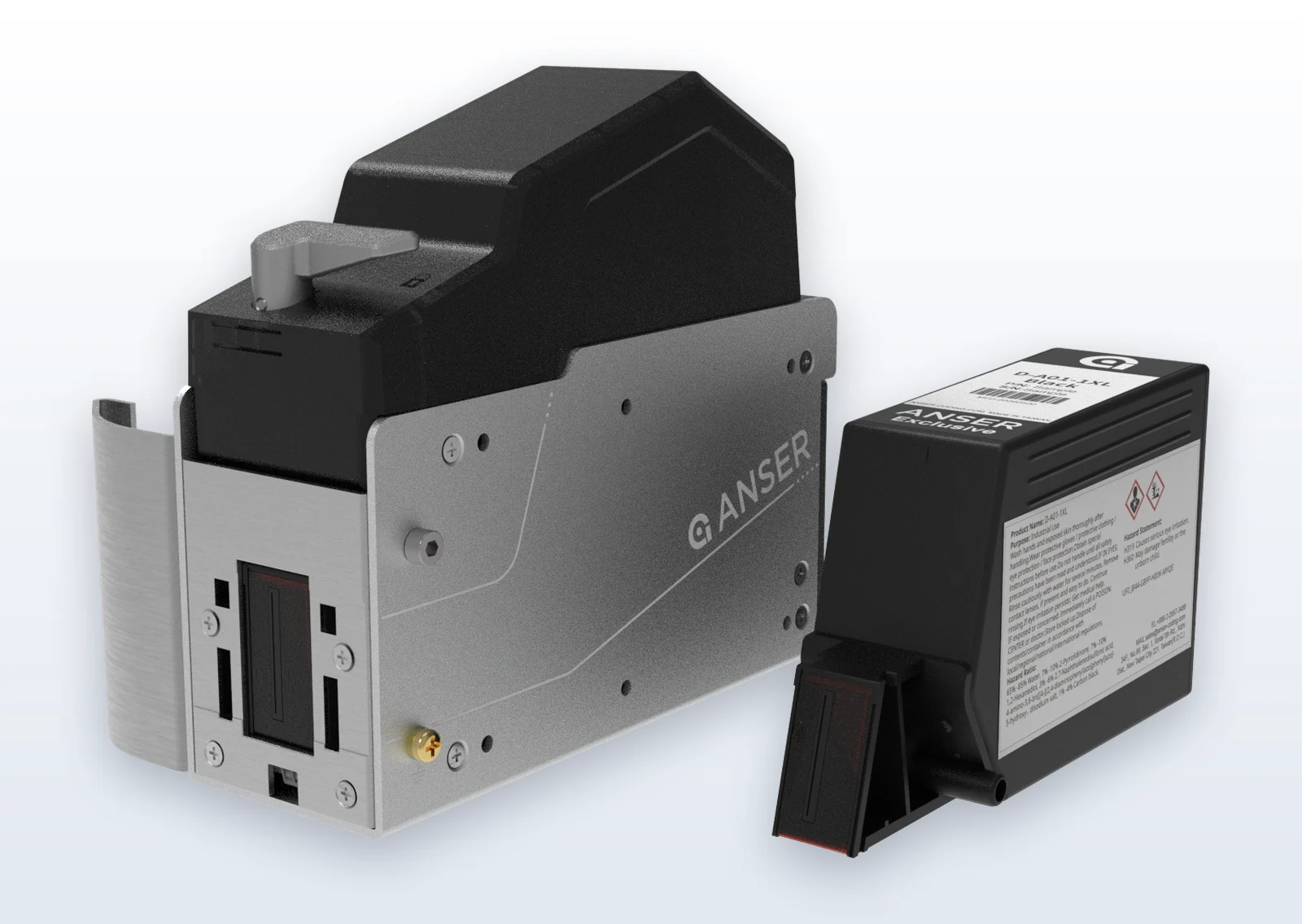
  • A fast-setting solvent ink. Solvent ink flashes off quickly and leaves a durable, smudge-resistant mark on metal, foil and glass. Odyssey solvent ink is the starting point.
  • A clean, dry code zone. Adhesion on a smooth surface is only as good as the surface. Knock down oil, dust and condensation where the code goes; that's the difference between a mark that lasts and one that scratches off.
  • The head close to the part. Thermal inkjet prints up to 6 mm from the surface, so keep the head close; distance blurs the code. Stabilize cans and bottles so the surface passes the head smoothly.
  • A test on your actual part. Confirm the cured code passes a tape test and a thumb-rub on your own can, bottle or lid. Tell us the part and we'll help you qualify the ink.
  • A plan for washdown or heat. If the code faces washdown, retort or other heat downstream, tell us the exact process. We'll source and trial a specialty ink matched to it.
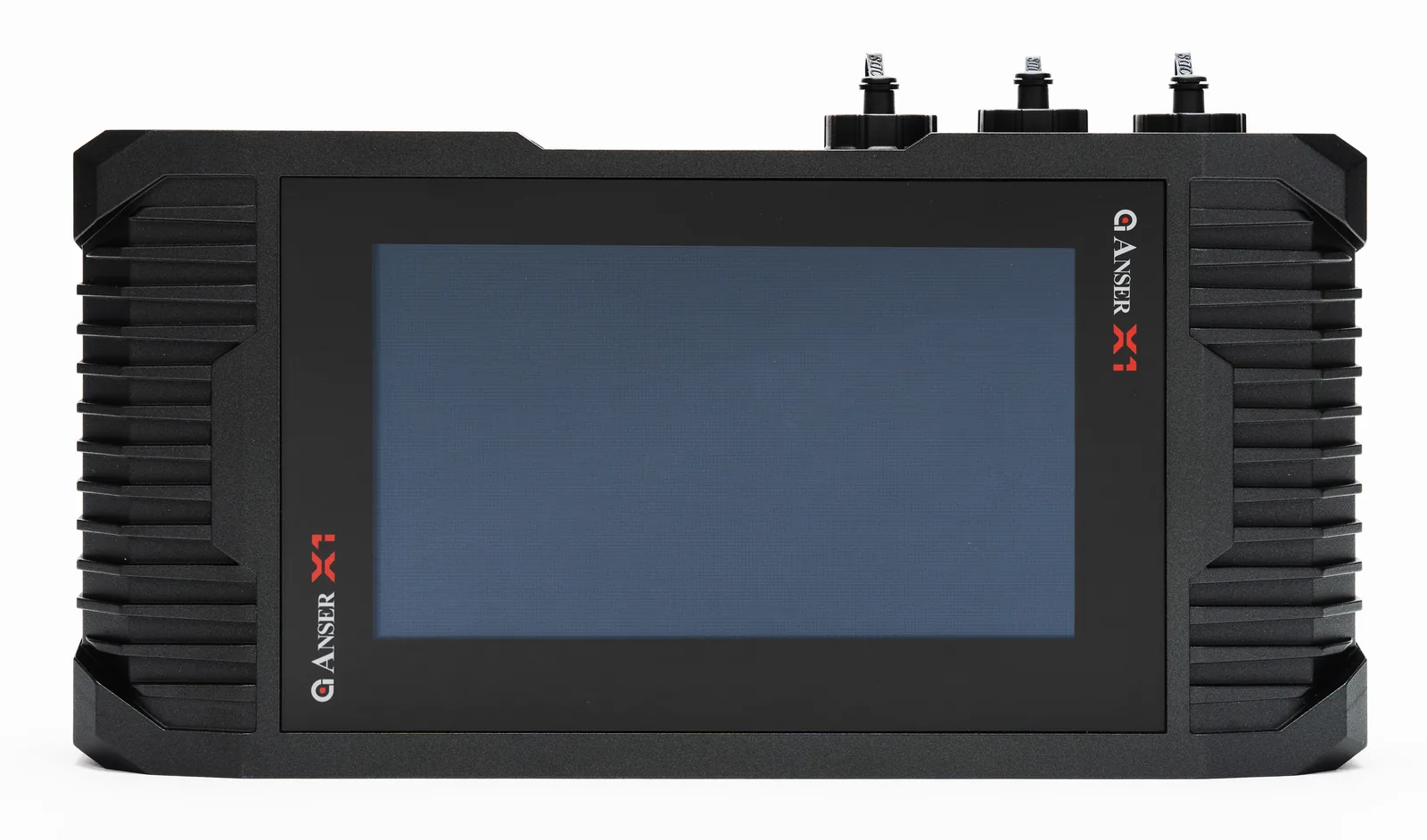
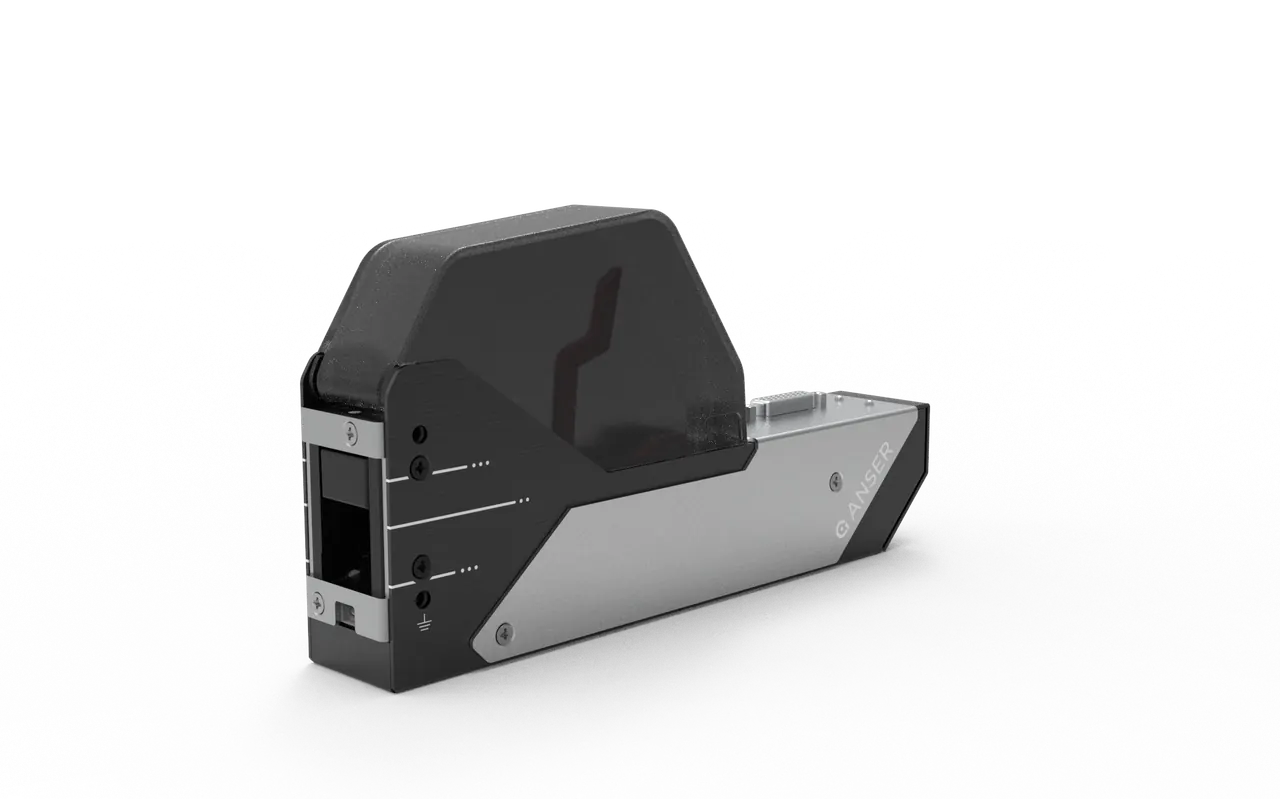
  • The right controller for a wet floor. Filling and canning areas are often wet. The X1 runs up to two heads in an IP66-rated controller housing, on one line or two.

Best for this job

Pre-set for this job: ½" codes, balanced cost. All of these run Odyssey solvent ink.

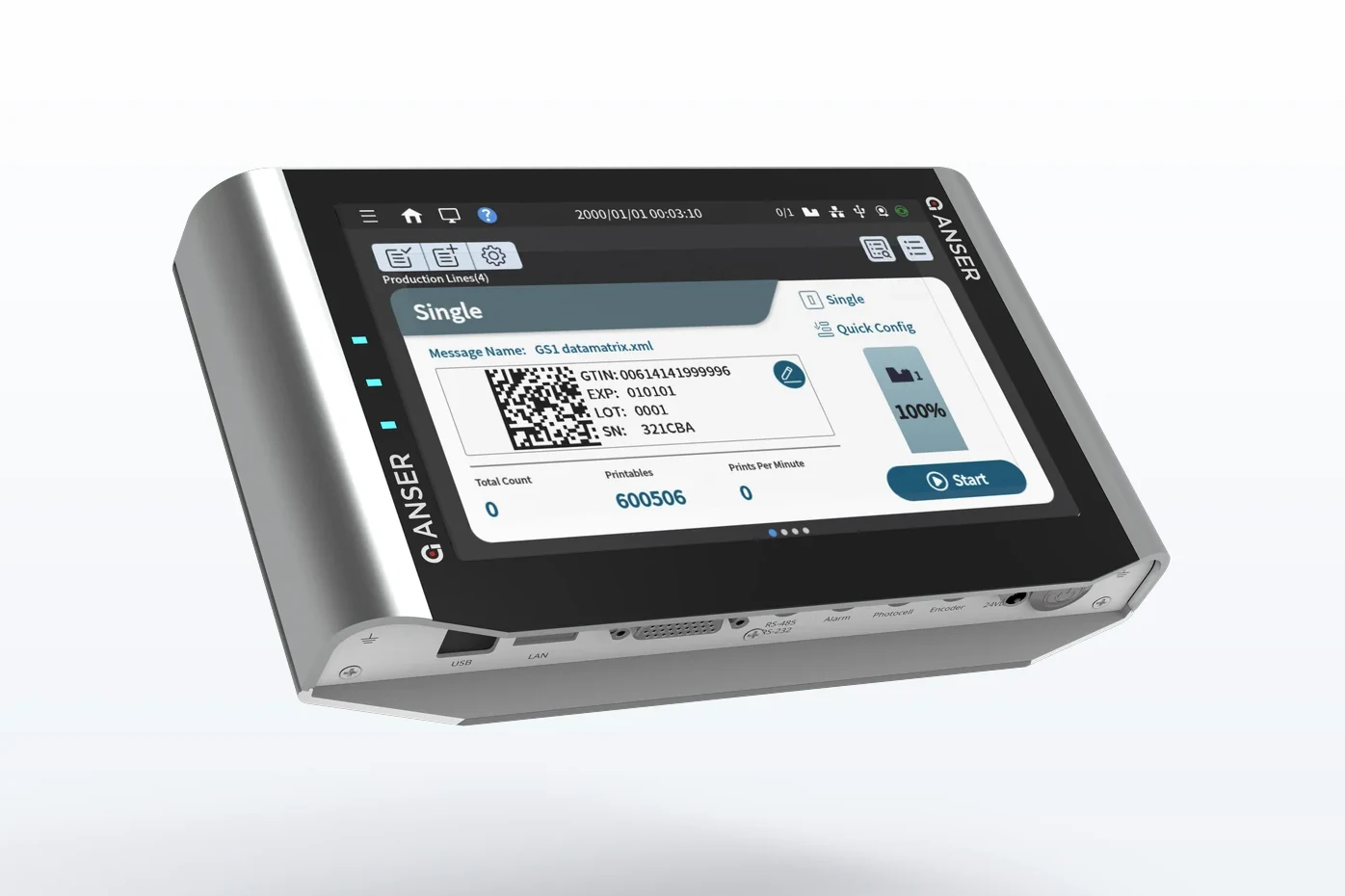
X1 Lite + T2 Standard

One dry line, everyday coding: ½" or 1" codes on cans or bottles from a 7" touchscreen controller.

Code height
½" or 1"
Resolution and speed
600 × 600 dpi at ½" · 60 m/min at 300 dpi
Screen
7" touchscreen at the operator station

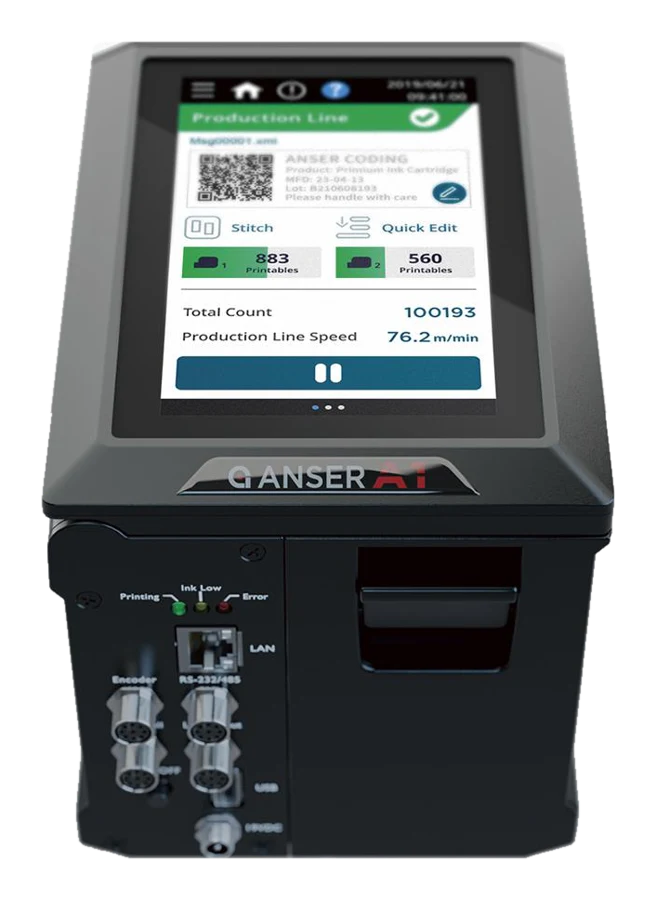
A1

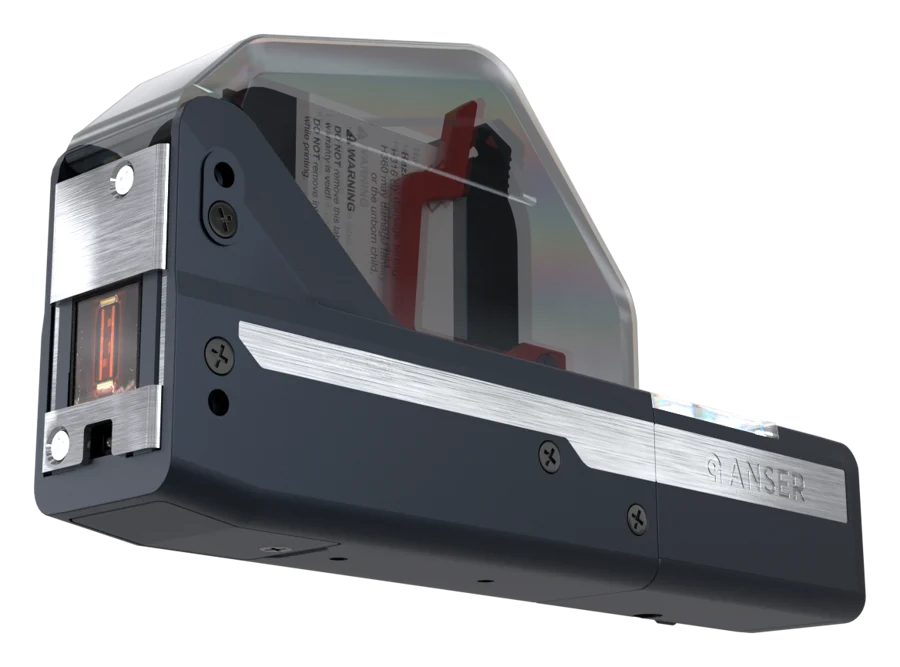
Everything in one unit with a 5" touchscreen; runs solvent cartridges at ½" or 1".

Code height
½" or 1"; 2" with two stitched
Resolution and speed
600 dpi at ½" · 60 m/min at 300 dpi
Screen
5" touchscreen built in

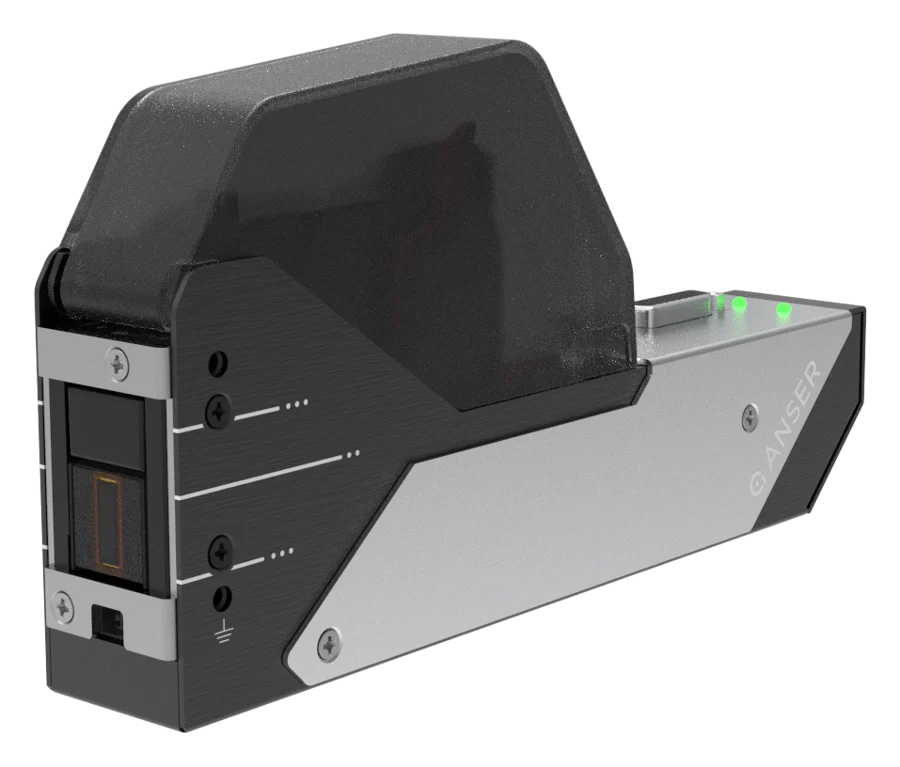
Smart Printhead

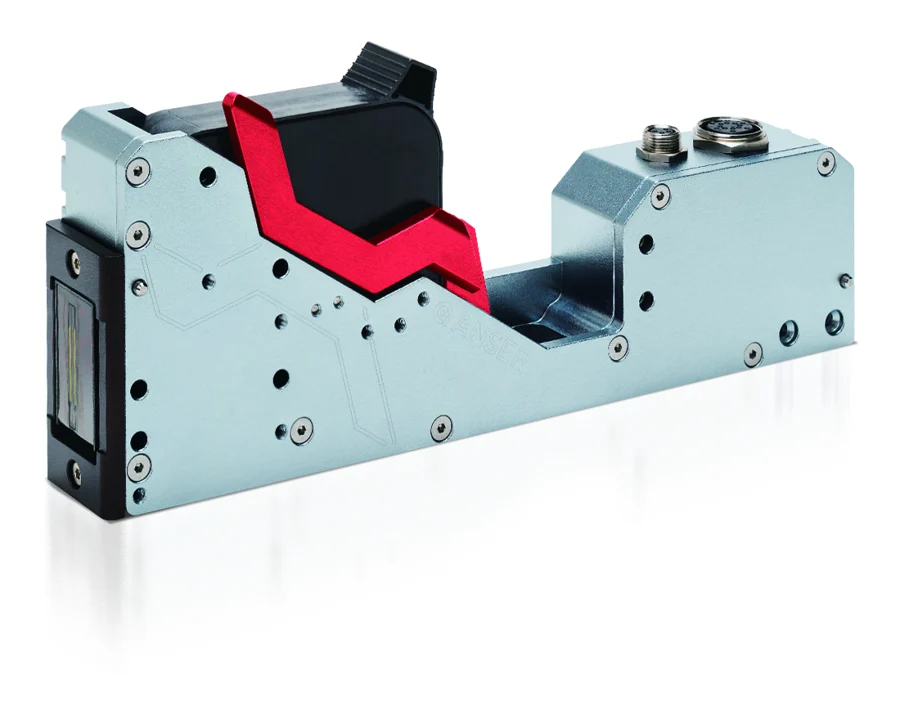
A ½" unit with no controller that builds into packaging machinery or onto a robot arm. Run it from a browser or the NexLink app (Android).

Code height
½" (2" with four)
Resolution and speed
600 × 600 dpi · 60 m/min at 300 dpi
Screen
None: a browser or the NexLink app

Also fits

Wet filling areas, two lines, or long runs.

Coding in a wet area? Find your system with “Wet or dusty area” set →

Support behind the line

We supply the Anser printers, the Odyssey inks and the on-site technical support behind them, and we work alongside your distributor, who handles the quote and local service. On metal and glass, the ink and the surface decide whether a code lasts, so before you buy, we'll help you test it on your own cans, bottles or lids. Every Anser NexGen printer carries a 5-year warranty, honored by TPS.

Frequently asked questions

What ink works on aluminum cans and glass bottles?

A solvent ink. Metal and glass are smooth and non-porous, so water-based ink beads and wipes off, while a solvent ink sets fast and bonds to the sealed surface.

Why does my code scratch off metal or glass?

Usually it's water-based ink on a non-porous surface, or a contaminated surface. Switch to a solvent ink and make sure the code zone is clean and dry: oil, dust or condensation prevents adhesion.

Can thermal inkjet code curved surfaces like cans and bottles?

Yes, within reason. Thermal inkjet prints up to 6 mm from the surface, so keep the head close and stabilize the part as it passes. Very round or recessed shapes at high speed may suit continuous inkjet (CIJ) better, and we're happy to talk that through.

Can I code bottles that are wet from filling or chilling?

Condensation on the code zone fights adhesion, so dry the code zone before the head. Tell us where the code goes and the line conditions, and we'll help you set it up.

Will the code survive washdown or retort?

It depends on the ink and the process. For washdown, retort or other heat, tell us the exact process and we'll source and trial a specialty ink matched to it. Test the cured code on your own part before you commit the line.

How fast does a thermal inkjet coder print on cans and bottles?

It depends on the resolution. At 300 dpi, 60 m/min (about 197 ft/min); at 600 dpi, about 30 m/min. The "up to 300 m/min" figure you'll see for thermal inkjet is at 60 dpi, which is too coarse for a readable code.

Related reading

Ready to spec your line?

A TPS coding specialist will contact you, then connect you with the right distributor.

Request a Quote