
Pharmaceutical Coding & Marking
Pharmaceutical packaging demands precise, legible, verifiable codes — expiration dates, lot and batch numbers, and increasingly 2D Data Matrix codes for traceability and serialization.
What pharma lines code
- Expiration / use-by dates
- Lot and batch numbers
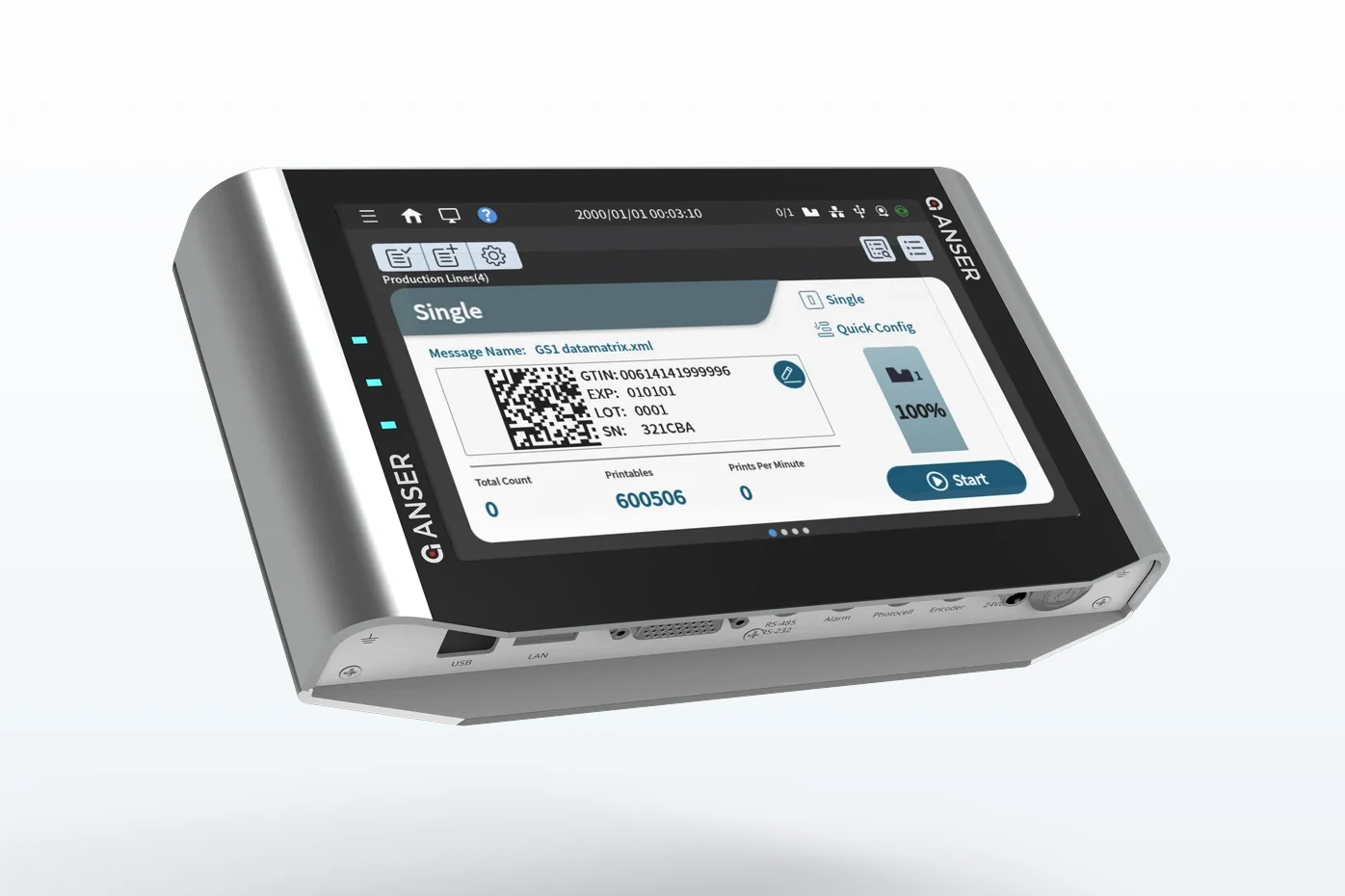
- GS1 Data Matrix codes (GTIN, batch, expiry, serial)
- Human-readable text alongside 2D codes
What drives it
- Traceability and track-and-trace programs
- Anti-counterfeit and product authentication
- High legibility and code-quality requirements
- Serialization initiatives and 2D code adoption
Why thermal inkjet
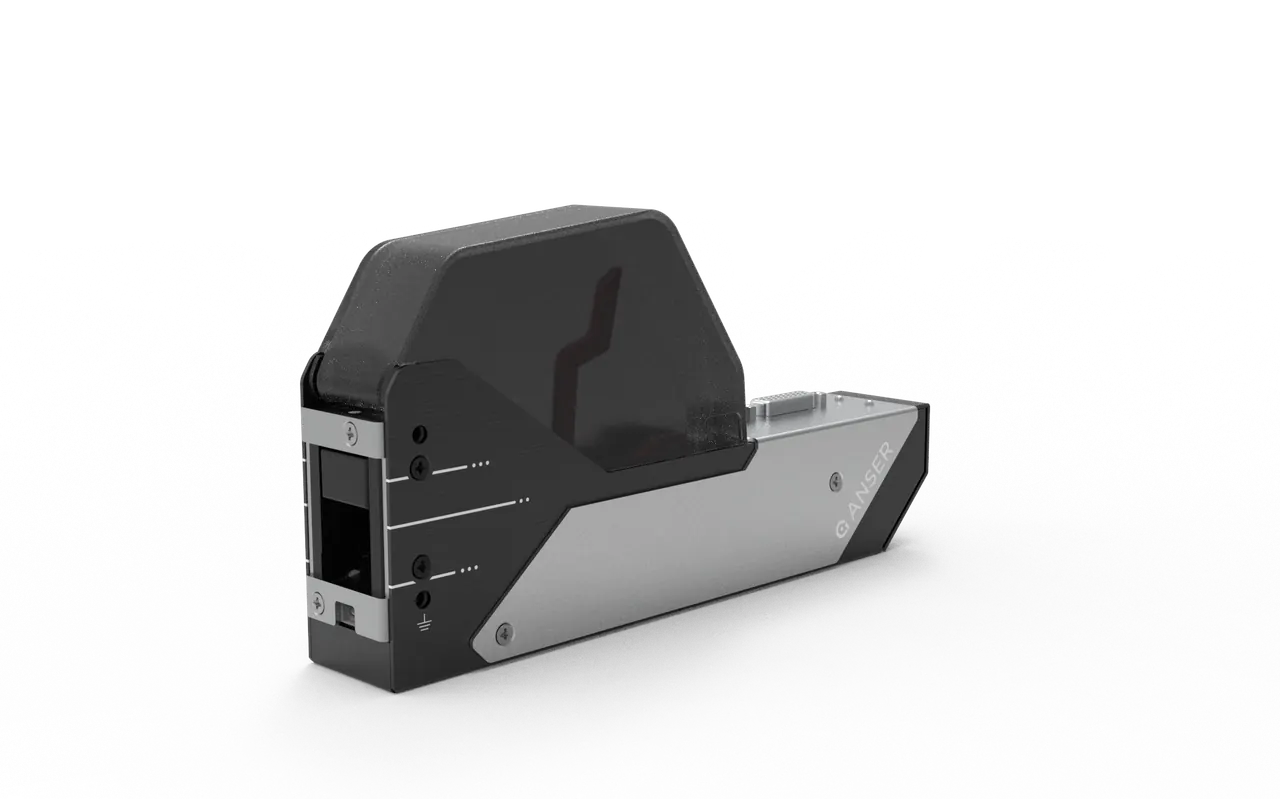
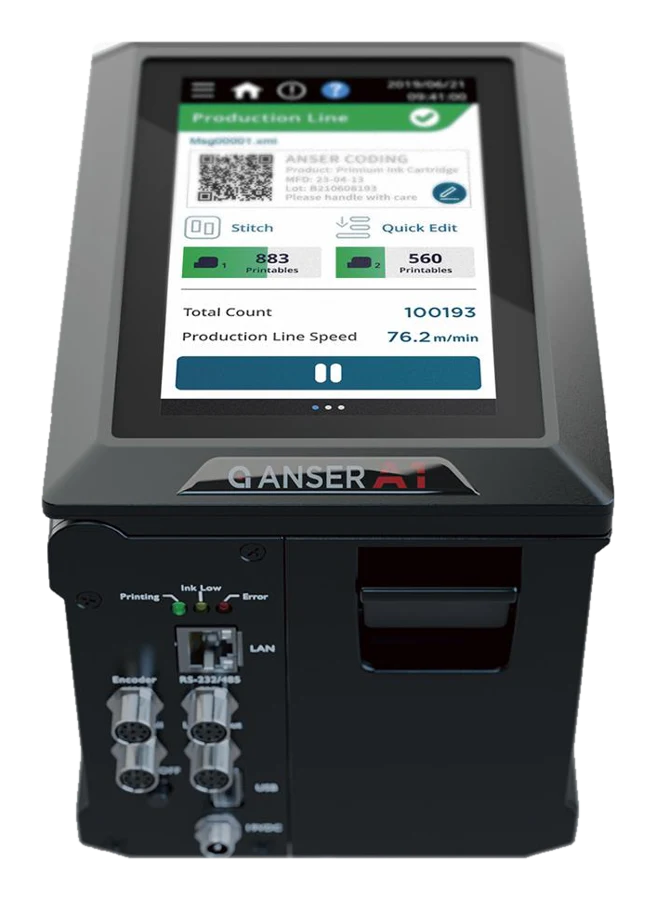
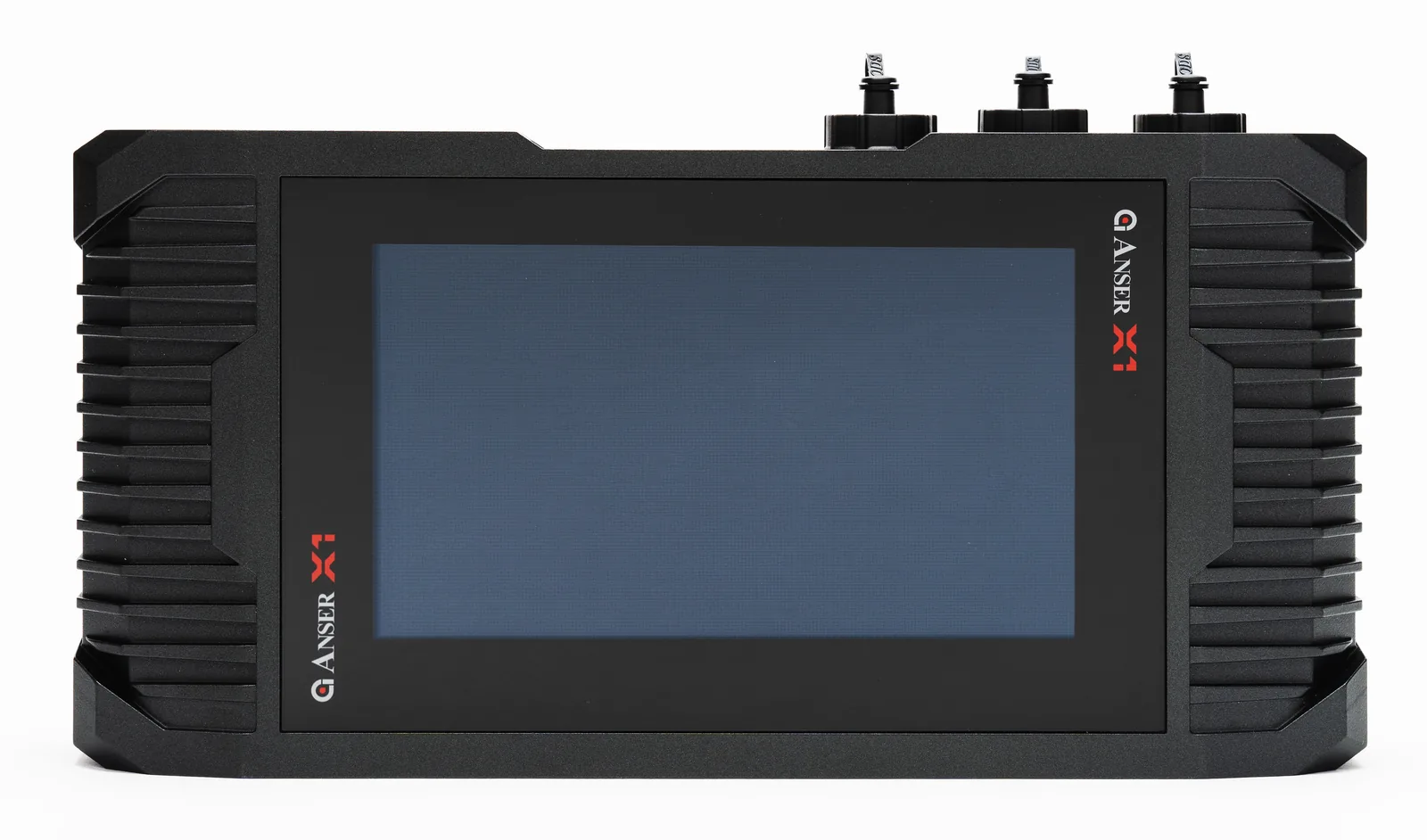
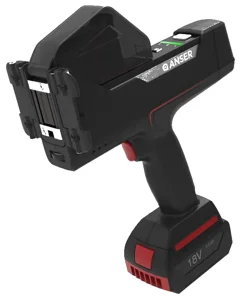
Thermal inkjet (TIJ) prints sharp, high-resolution text and GS1 Data Matrix codes with native variable data. Every Anser NexGen printer can print a unique serialized QR or Data Matrix code on each pack, with the serial number drawn from your database or data feed alongside the lot and expiry. It runs cleanly on cartons, labels and many other surfaces with minimal maintenance. Serialization and track-and-trace requirements vary by market, and meeting them depends on your whole system, not just the printer. Tell us about your program and we’ll scope the coding side with you.
Build your coder
Tell us your application
Share your product, substrate, and line speed and we’ll recommend the right setup.
Contact usFrequently asked questions
What codes are used on pharmaceutical packaging?
Typically an expiration date and a lot/batch number, plus a 2D Data Matrix code that can carry the product identifier (GTIN), batch, expiration, and a serial number for traceability and authentication.
Can thermal inkjet print Data Matrix codes for pharma?
Yes. All four Anser NexGen printers print high-resolution GS1 Data Matrix codes with variable data, including a unique serial number on each pack from a database or data feed. Serialization and track-and-trace rules differ by region and depend on your whole system, so scope the full requirement with our team before you specify equipment.