
What a TIJ solvent ink is
Thermal inkjet started with water-based ink, which works because paper and corrugate soak it up. Plastic, film, foil, metal and glass don't soak anything up, so a water-based drop beads and wipes off.
A TIJ solvent ink carries its colorant in a fast-evaporating solvent instead of water. The solvent flashes off in seconds and leaves a resin that grips the sealed surface. That's what lets a sealed thermal inkjet cartridge print dates, lot codes and barcodes on non-porous packaging, with no make-up fluid and almost no scheduled maintenance.
Solvent inks are filled into cartridges built for solvent, so a water-based cartridge can't be refilled with one. Choose the ink, and the right cartridge comes with it.
The trade-off that matters most: dry time vs. decap
Every TIJ solvent ink balances two things:
- Dry time: how fast the code sets on the pack. Solvent inks typically dry in seconds.
- Decap (open time): how long the cartridge can sit uncapped and idle, then print a clean code without a purge. Inks differ a lot here, and it matters as much as dry time.
Published decap times for TIJ solvent inks run from under five minutes to around 16 hours. That range is the reason there isn't one "best" solvent ink:
- A line that prints continuously can run a fast-drying, short-decap ink, because the nozzles never sit idle long enough to dry.
- A line that stops and starts (changeovers, breaks, a coder that waits on intermittent product) needs a long-decap ink, or you'll be purging and wiping at every restart.
Tell us how your line actually runs, not just what it prints on, and we'll match the decap to it.
Adhesion depends on the surface, not just the ink
Even the best solvent ink depends on the surface under it. Untreated polyethylene and polypropylene (HDPE, LDPE, PP, BOPP film) have low surface energy and resist wetting. PET, coated films, foils, metal and glass are generally easier. If a code lifts on a polyolefin, corona or flame treatment raises the surface energy so the ink anchors.
Oil, dust and condensation on the code zone defeat any ink. Print on a clean, dry surface.
Printer settings: each solvent ink has its own
Solvent inks aren't interchangeable at the printer. Each has its own firing settings (voltage and pulse width) on its data sheet, and two solvent inks for the same cartridge type can need different voltages. When you change solvent inks, change the settings to match the new ink's data sheet.
Shelf life, storage and safety
- Shelf life: published shelf lives for TIJ solvent inks run from 12 to 24 months from manufacture. Rotate stock: first in, first out.
- Storage and operation: solvent cartridges are typically stored at about 10–30 °C (50–86 °F) and run at about 10–40 °C (50–104 °F). Check the ink's data sheet for its exact range.
- Safety: solvent TIJ inks are generally flammable liquids and ship as hazardous materials. Store them away from heat and ignition sources, and keep the safety data sheet (SDS) where your team can find it.
Downtime: what to do with the cartridge
- Down for less than a day: leave the cartridge in the printer, then wipe and purge before you restart.
- Down for more than a day: take the cartridge out and put the cartridge clip back over the printhead to seal it. Wipe and purge before you restart.
- Wiping: use a dry, lint-free cloth and wipe gently along the printhead. Pressing hard can scratch it, and lint can clog the nozzles.
Odyssey solvent ink
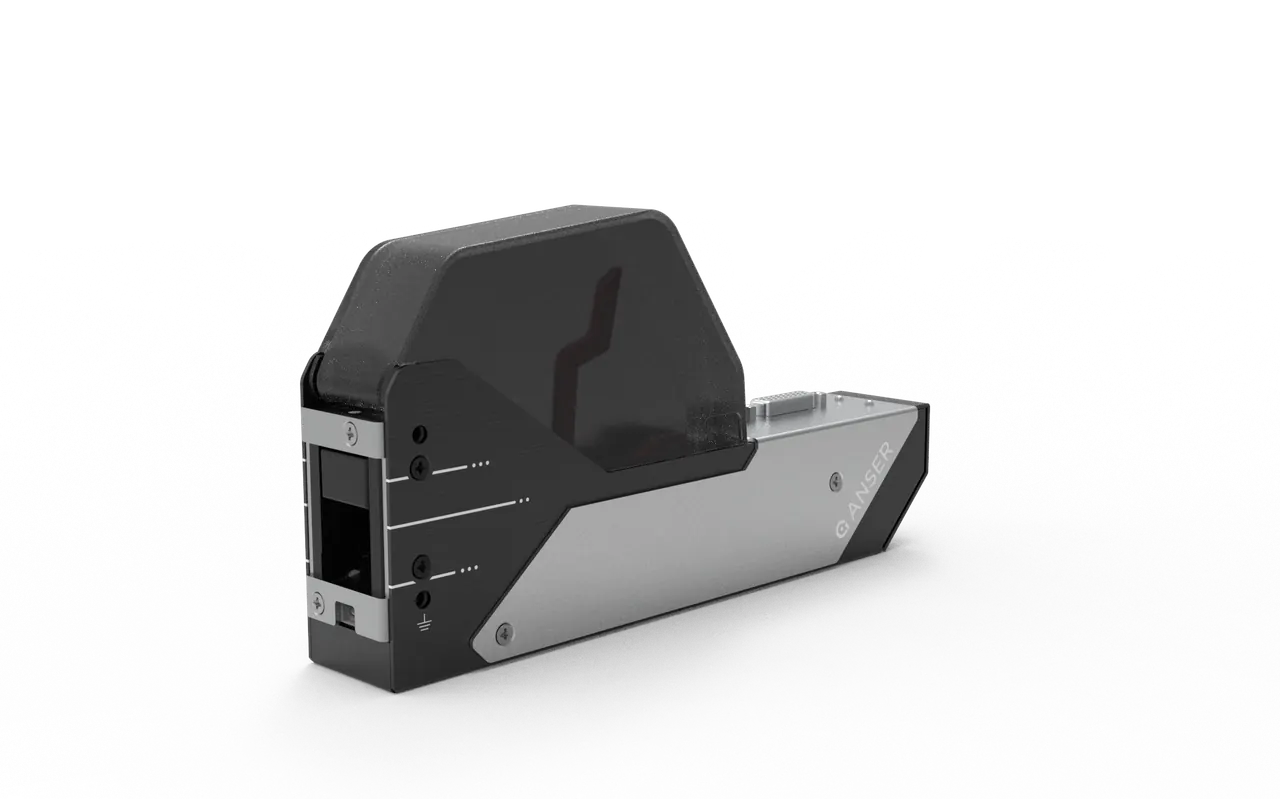
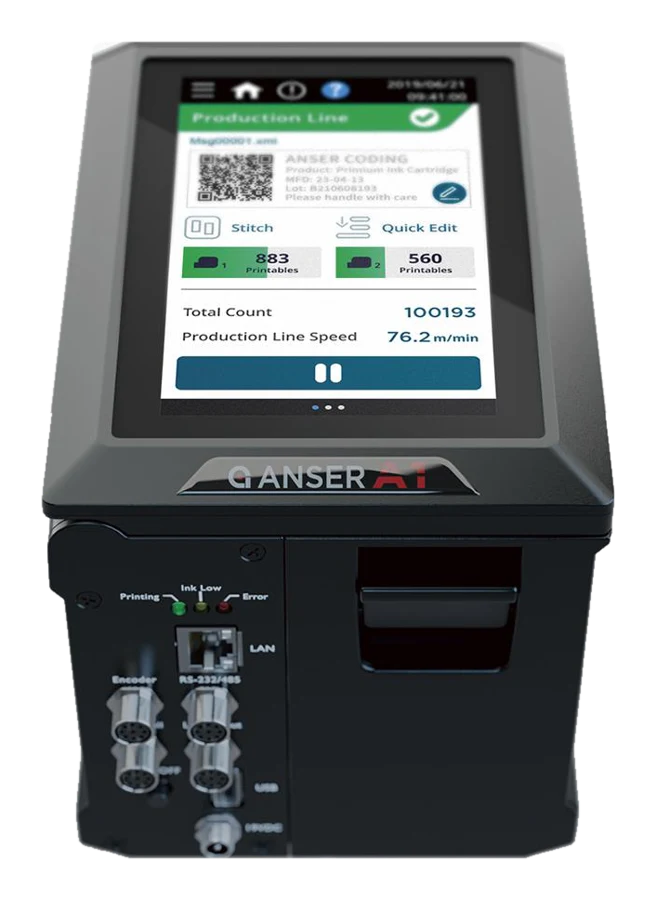
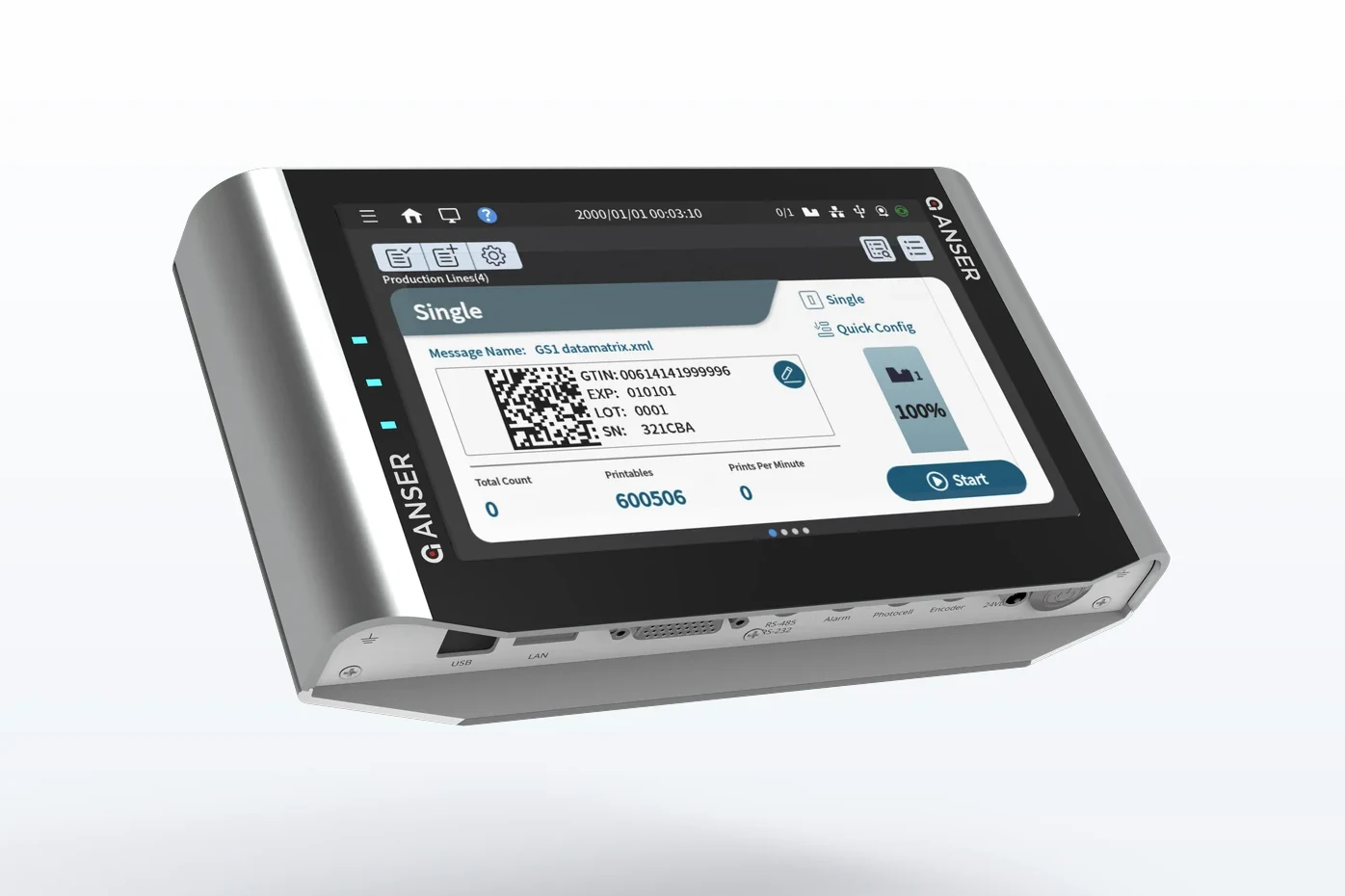
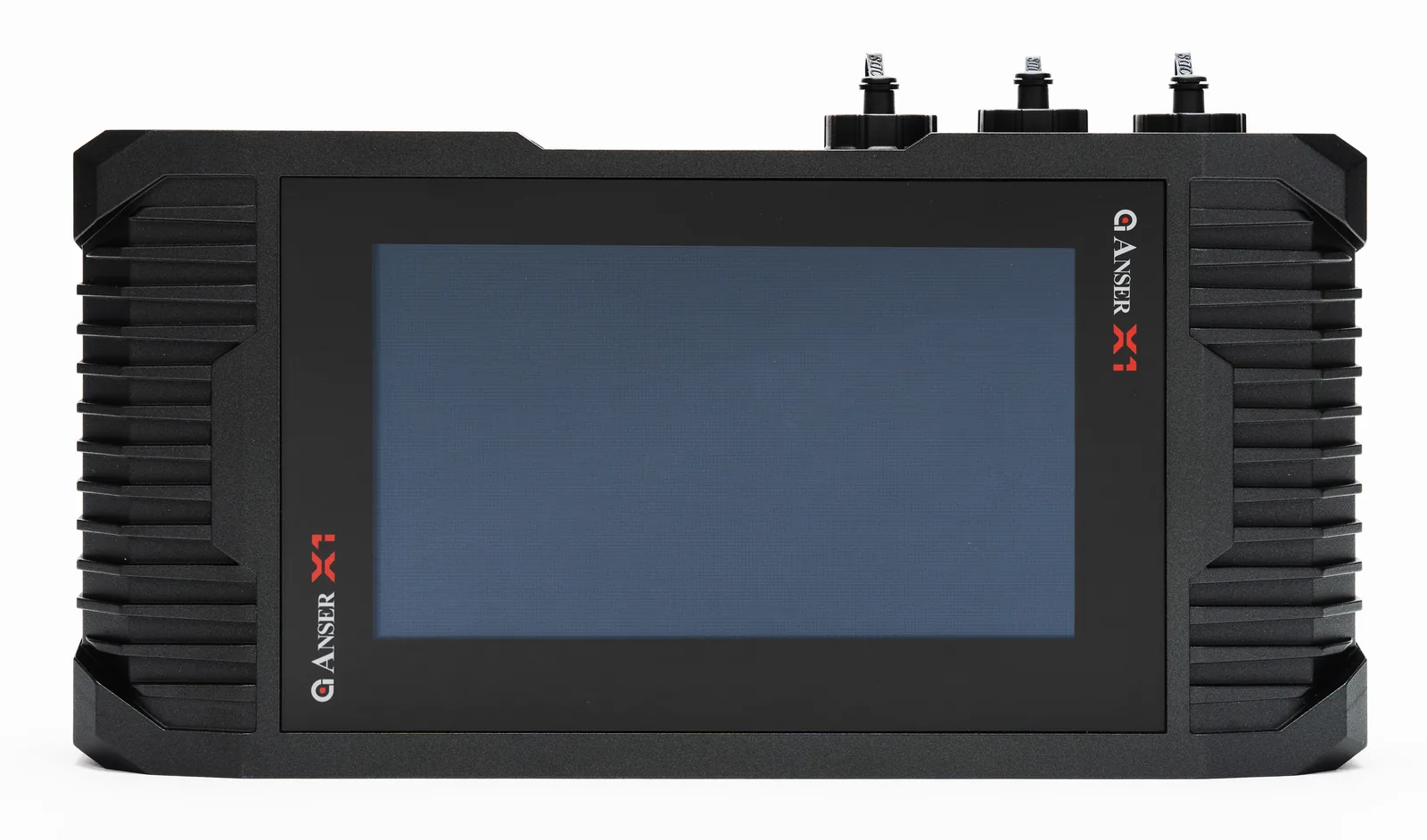
Odyssey solvent ink is TPS's solvent line, sold as Sarge. It's black, and it runs on all four Anser NexGen systems: the Smart Printhead, the A1, the X1 Lite and the X1, in ½" and 1" cartridges. Odyssey solvent ink also comes in the 160 mL cartridge for long runs.
We match the Odyssey solvent ink to two things: your substrate, and how your line runs (continuous or stop-and-start). Every Odyssey ink has its own technical data sheet with its settings, storage and handling.
Test it on your own pack
Before you commit a line to a solvent ink:
- Test on the real pack, not a sample coupon. Regrind, additives and coatings change the surface.
- Let the code cure, then try a tape test and a firm thumb-rub, and a wet thumb-rub if the pack will meet condensation.
- Check that the code is dry before the next contact point at your real line speed.
- Run it through anything downstream: chilling, heat, handling.
Send us your substrate, a photo of the code area and how your line runs, and we'll help you qualify an Odyssey solvent ink.