
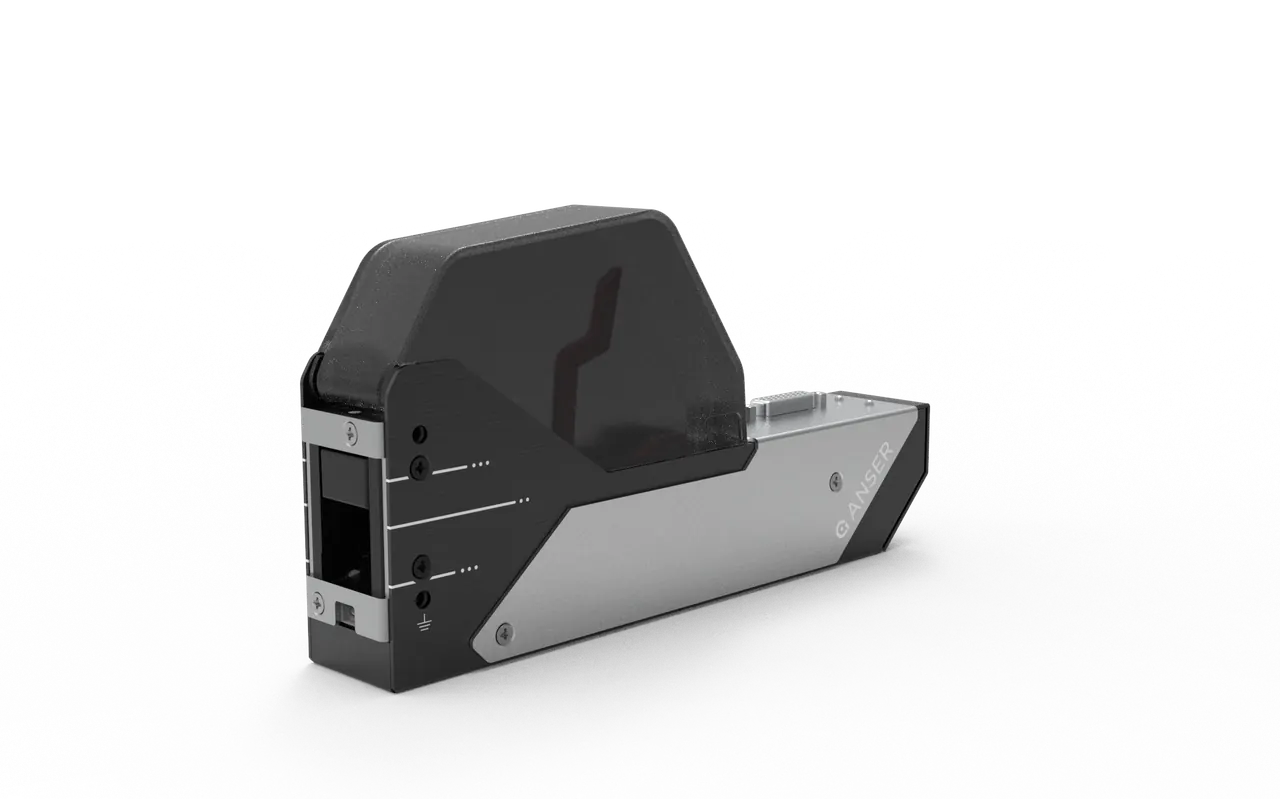
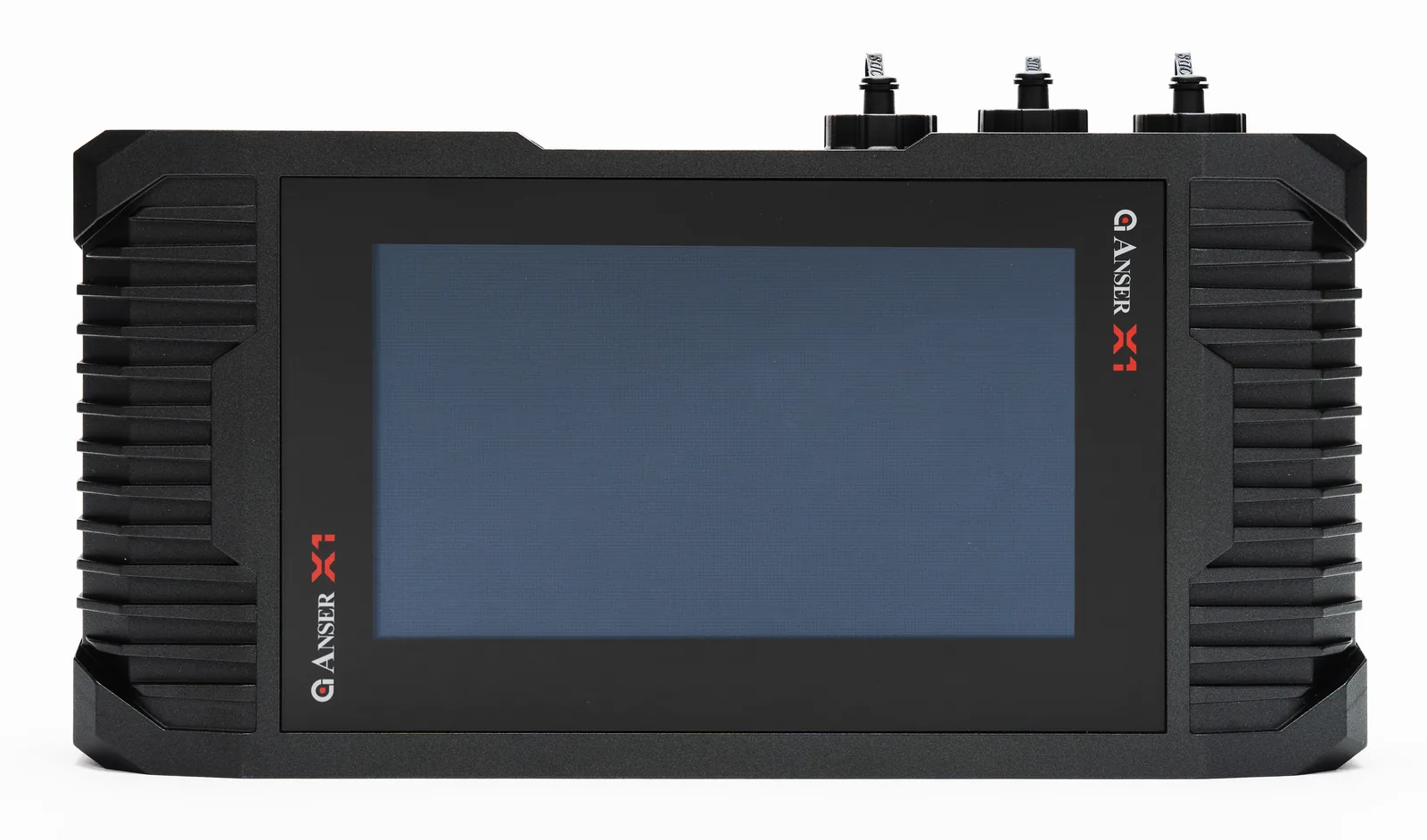
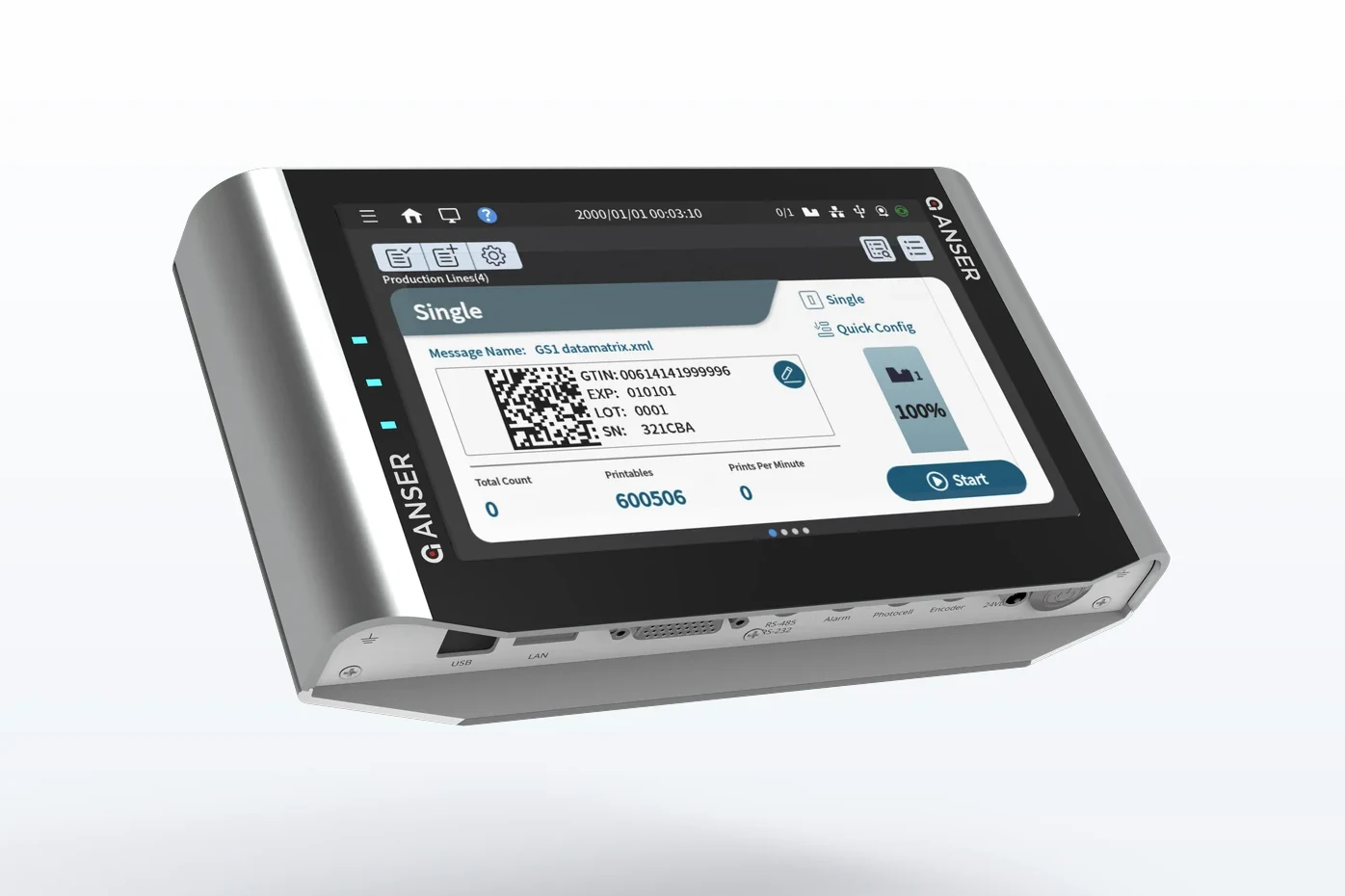
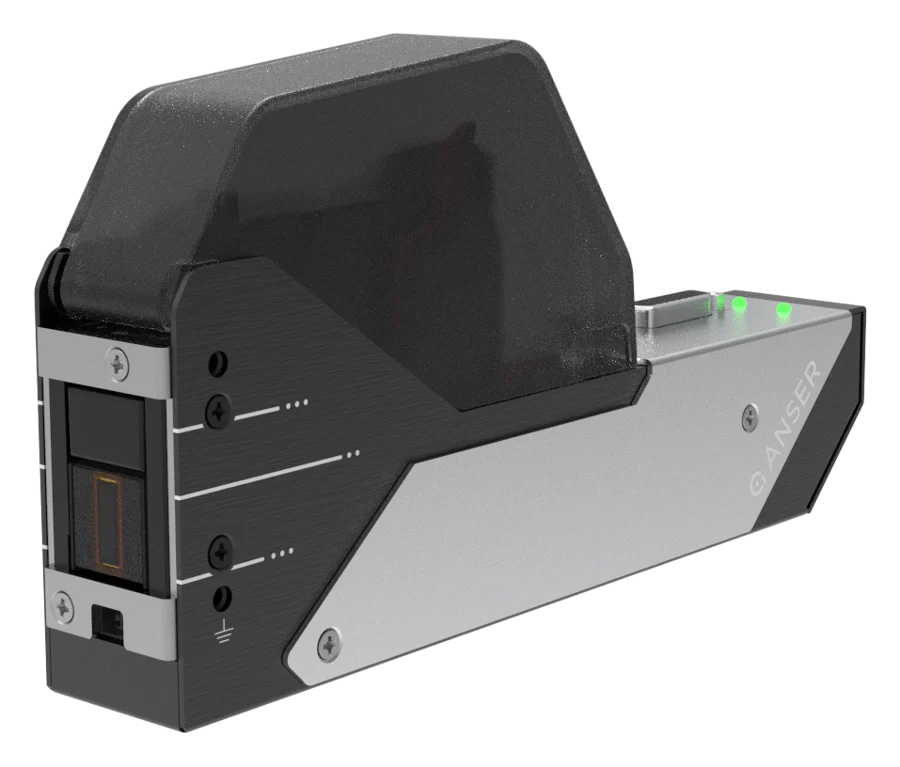
X1 Lite + T2 Standard
One line, coding upstream of the chiller: ½" or 1" codes from a 7" touchscreen controller.
- Code height
- ½" or 1"
- Resolution and speed
- 600 × 600 dpi at ½" · 60 m/min at 300 dpi
- Screen
- 7" touchscreen at the operator station
Date and lot codes that don't smear on chilled and frozen packs: the right ink, coded at the right point on the line.
Cold-chain codes fail for two reasons. A chilled or frozen surface pulls moisture out of the air and forms a film of condensation, and ink laid on a wet surface won't bond; it beads or runs. And cold slows how inks set, so a code that dries fine at room temperature can still be wet at the next contact point on a refrigerated line.
The fix is the right ink, applied at the right point in the process. With a fast-setting solvent ink and the coder upstream of the cold, thermal inkjet handles cold-chain date and lot coding cleanly, from sealed cartridges with almost no scheduled maintenance.
Pre-set for this job: ½" codes, balanced cost. All of these run Odyssey solvent ink.
One line, coding upstream of the chiller: ½" or 1" codes from a 7" touchscreen controller.
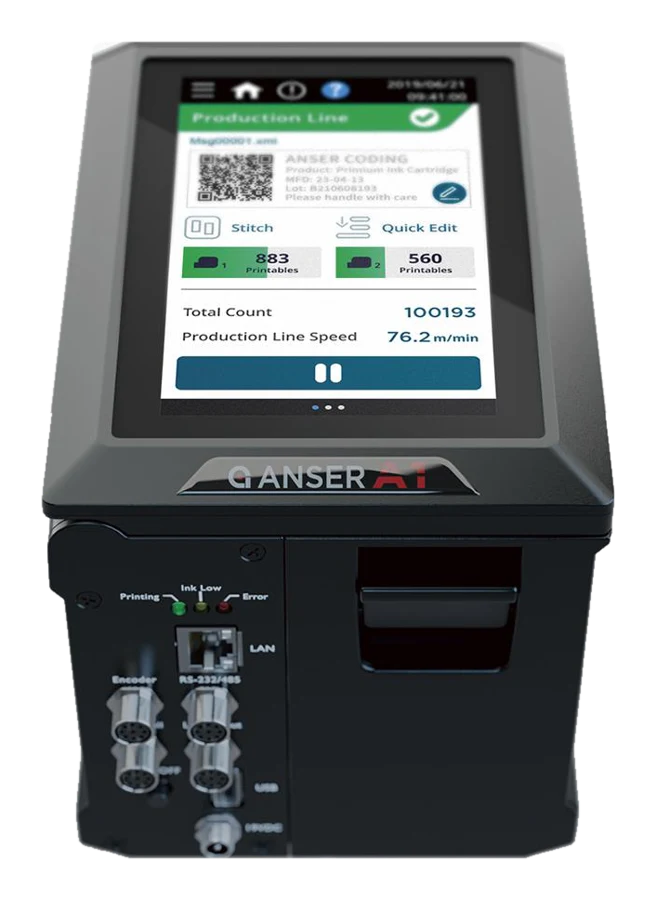
Everything in one unit with a 5" touchscreen; runs solvent cartridges at ½" or 1".
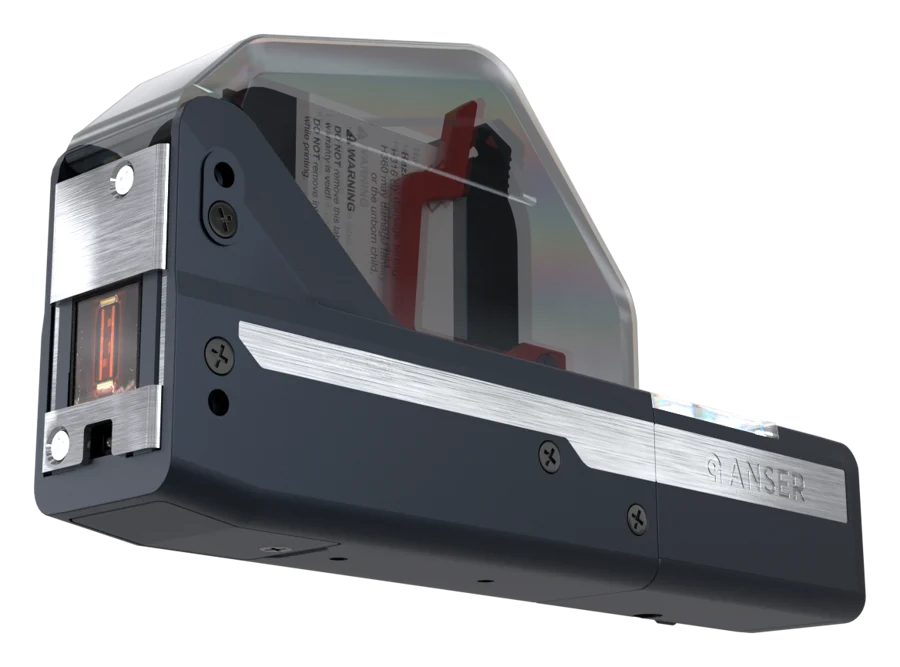
A ½" unit with no controller that builds into packaging machinery ahead of the freezer. Run it from a browser or the NexLink app (Android).
Washdown areas, two lines, or outer cases.
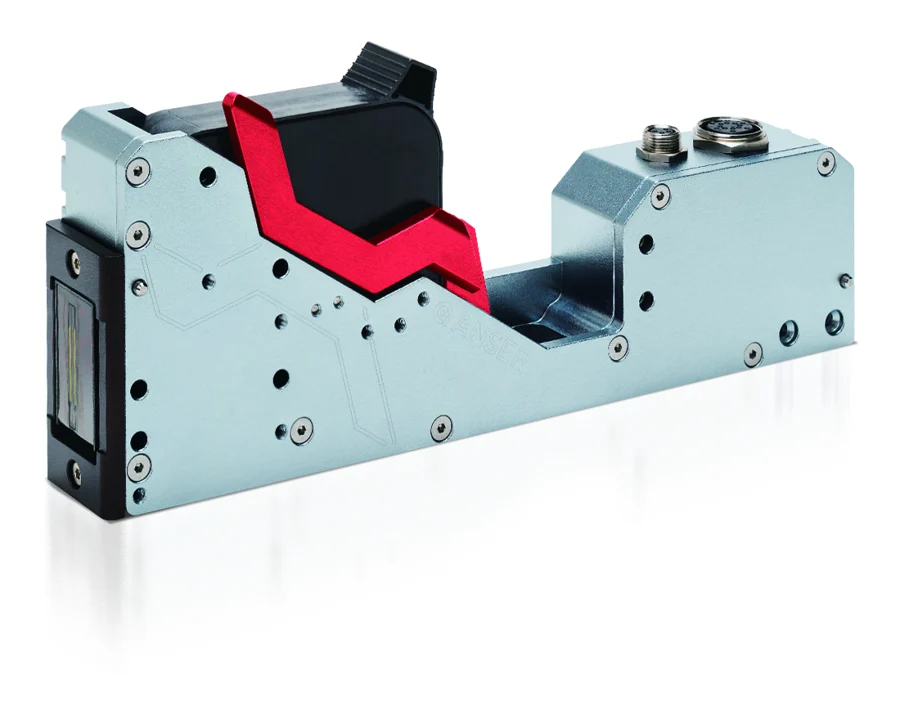 X1 + Type-HWet processing areas, or two lines from one controller: an IP66 controller housing.
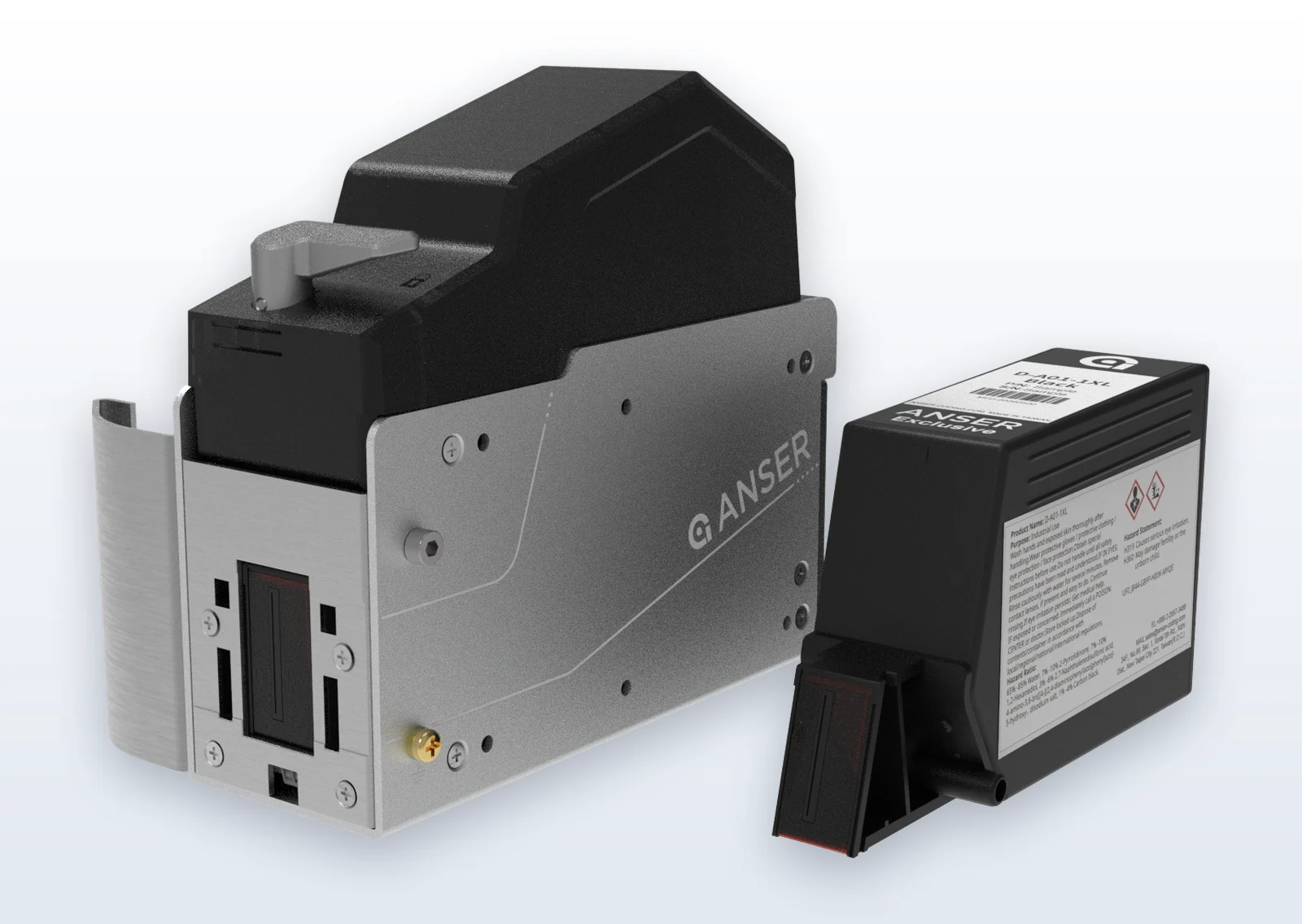 X1 Lite + T2XL · 160 mLHigh-volume runs, in solvent ink for packs, or water-based for dry outer cases, with 4× the ink of a standard cartridge, at 300 × 600 dpi.
Coding in a wet area? Find your system with “Wet or dusty area” set →
We supply the Anser printers, the Odyssey inks and the on-site technical support behind them, and we work alongside your distributor, who handles the quote and local service. In cold chain, where the coder sits matters as much as the ink, so before you buy, we'll help you work out both on your own line. Every Anser NexGen printer carries a 5-year warranty, honored by TPS.
Usually condensation. A chilled surface forms a film of moisture that stops ink from bonding, and cold also slows setting. Code before the pack is chilled, or dry the surface and use a fast-setting solvent ink.
Before, whenever possible. Marking at ambient temperature upstream of the freezer lets the ink set on a warm, dry surface and fully cure before condensation forms.
On porous board that stays dry, they can work. For non-porous freezer film and coated packaging that meet condensation, solvent inks are far more reliable.
Keep it out of the freezer. Every Anser NexGen printer is rated to operate from 0 °C (32 °F) in non-condensing air, so mount the coder in the ambient part of the line and code before the product goes cold.
Test it on your own pack: let the code cure, then give it a wet thumb-rub, not just a dry one, and check it after the pack has been through your chiller or freezer. Tell us your substrate and line layout and we'll help you set the test up.
Yes. The printers print dates, lot codes, counters and barcodes, including GS1 DataBar, QR and GS1 Data Matrix. Code before the cold, so the barcode prints on a dry surface and scans cleanly.
A TPS coding specialist will contact you, then connect you with the right distributor.