
Two ways to jet a code
Continuous inkjet (CIJ) fires a continuous stream of charged droplets and steers them with an electric field — the drops that are not needed are recirculated. It is a decades-proven workhorse for high-speed lines and awkward, curved, or fast-moving surfaces.
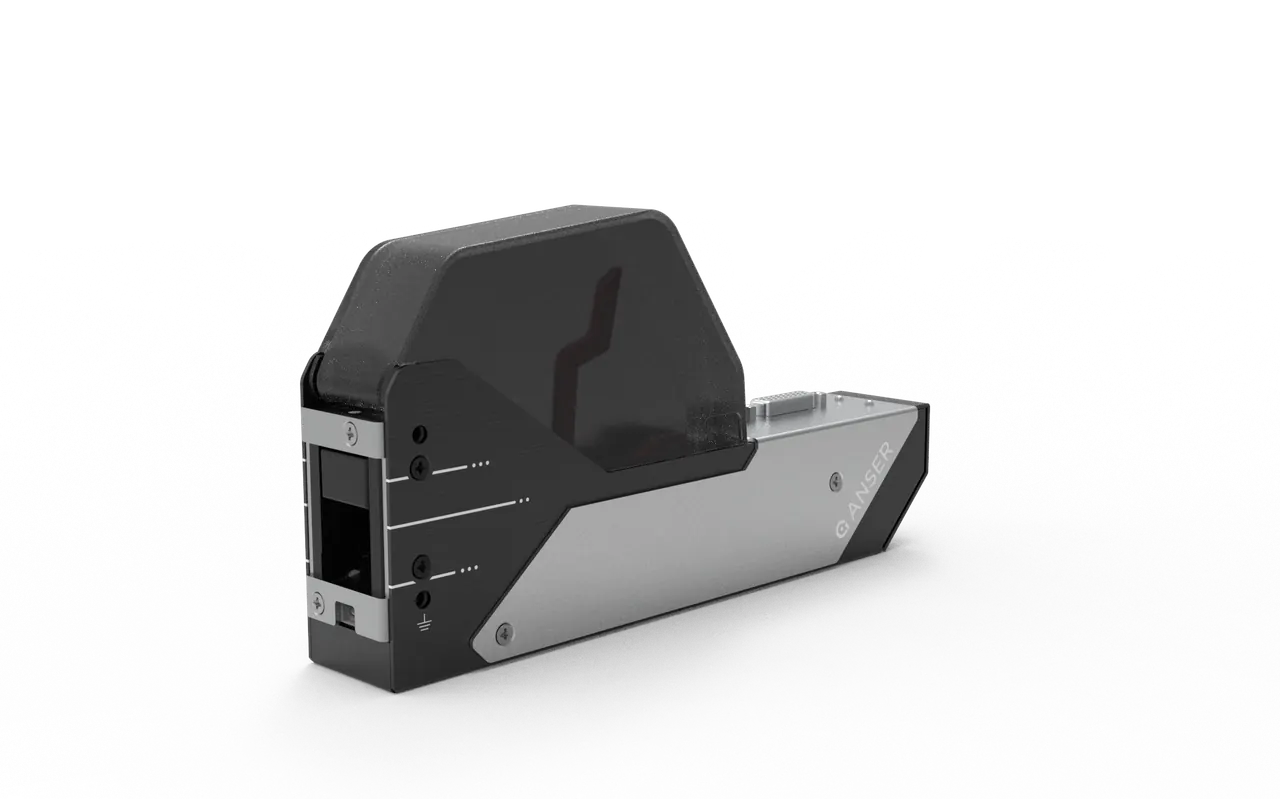
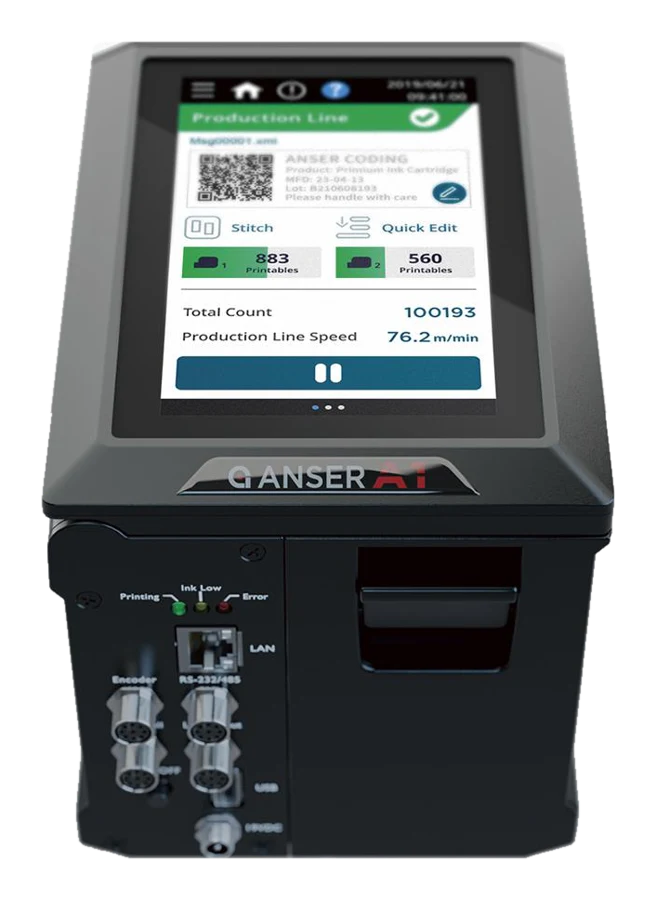
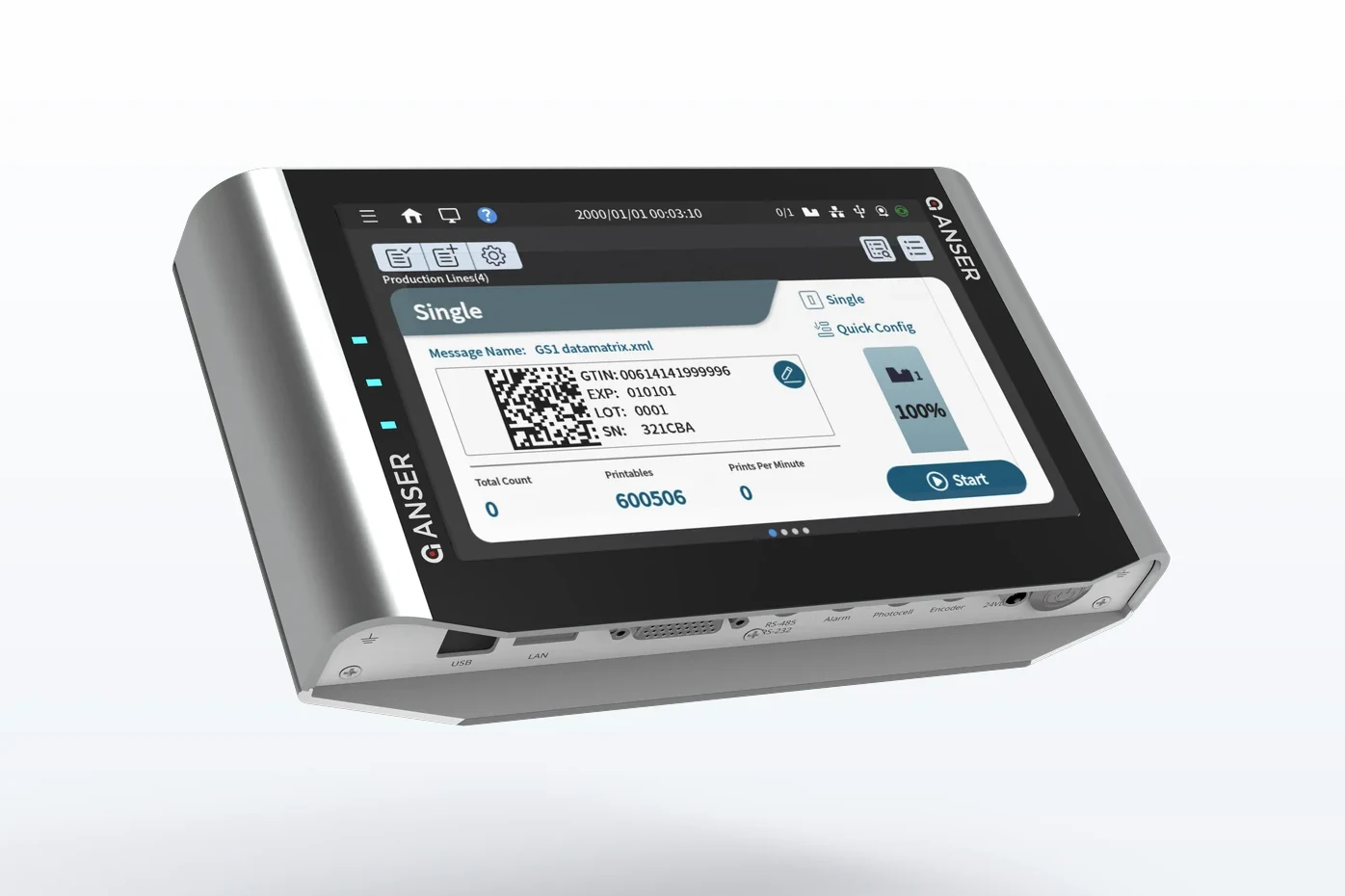
Thermal inkjet (TIJ) heats tiny chambers to fire drops on demand straight from a sealed cartridge. There is no ink stream to recirculate and no make-up fluid, so it runs cleaner and at much higher resolution, but it prefers flat or gently curved surfaces.
Head to head
Neither method is universally better — they trade off against each other. The short version:
- Print quality: TIJ wins — higher resolution, crisper small text, barcodes and 2D/Data Matrix codes
- Maintenance: TIJ wins — sealed cartridges, no make-up fluid, almost no scheduled service; CIJ needs make-up fluid and regular upkeep
- Line speed / throw distance: CIJ wins at the very fastest speeds and can print from a distance onto irregular shapes
- Substrates & shape: CIJ handles curved, recessed, and awkward surfaces; TIJ is best on flat or gently curved packs
- Consumables & odor: TIJ cartridges are clean and low-odor with water-based options; CIJ solvent fluids mean odor and ventilation considerations
- Running cost: varies by application — TIJ lowers maintenance and downtime; CIJ can be economical on very high-volume simple codes
When to choose which
Choose TIJ when you are coding flat or gently curved packaging — cartons, cases, films, labels, rigid containers — and you want high-resolution dates, lot codes, and barcodes with minimal maintenance. It is often the cleaner, lower-hassle choice for food, beverage, pharmaceutical, cosmetic, and general manufacturing lines.
Choose CIJ when you need the very fastest line speeds, need to print at a distance, or are coding round, recessed, or highly irregular surfaces where a near-contact TIJ head is impractical.
Our take
We specialize in thermal inkjet, so we will always tell you when TIJ is the right fit — and when it is not. If your application really calls for CIJ or another method, we would rather point you there than sell you the wrong tool.
Tell us your substrate, line speed, and the code you need to print, and we will help you compare honestly.