
The two enemies: condensation and cold surfaces
Cold-chain coding fails for two related reasons. First, a chilled or frozen surface pulls moisture out of the air and forms a film of condensation — ink laid onto a wet surface will not bond and can bead or run. Second, cold slows how inks set, so a code that dries fine at room temperature may still be wet when it reaches the next contact point on a refrigerated line.
The fix is a combination of the right ink chemistry and coding at the right point in the process.
Choose a fast-setting, moisture-tolerant ink
Solvent-based thermal inkjet inks are the usual choice for cold-chain work: they set quickly and resist moisture and handling far better than water-based inks. On non-porous freezer film, foil, and coated board, a solvent ink gives the smudge resistance you need before the pack hits condensation or ice.
- Prefer solvent inks for fast set and moisture/handling durability
- Match the ink to the substrate too — most freezer packs are non-porous film or coated board
- Confirm the cured code resists a wet thumb-rub, not just a dry one
Code before the product gets cold
The single most reliable move is to apply the code before the product enters the cold environment — mark at ambient temperature, upstream of the chiller or freezer tunnel, so the ink sets on a warm, dry surface and is fully cured before condensation forms.
If you must code product that is already cold, control the surface: knock down condensation, keep the code zone dry, and give the ink extra dwell time before the next handling step.
Where thermal inkjet fits
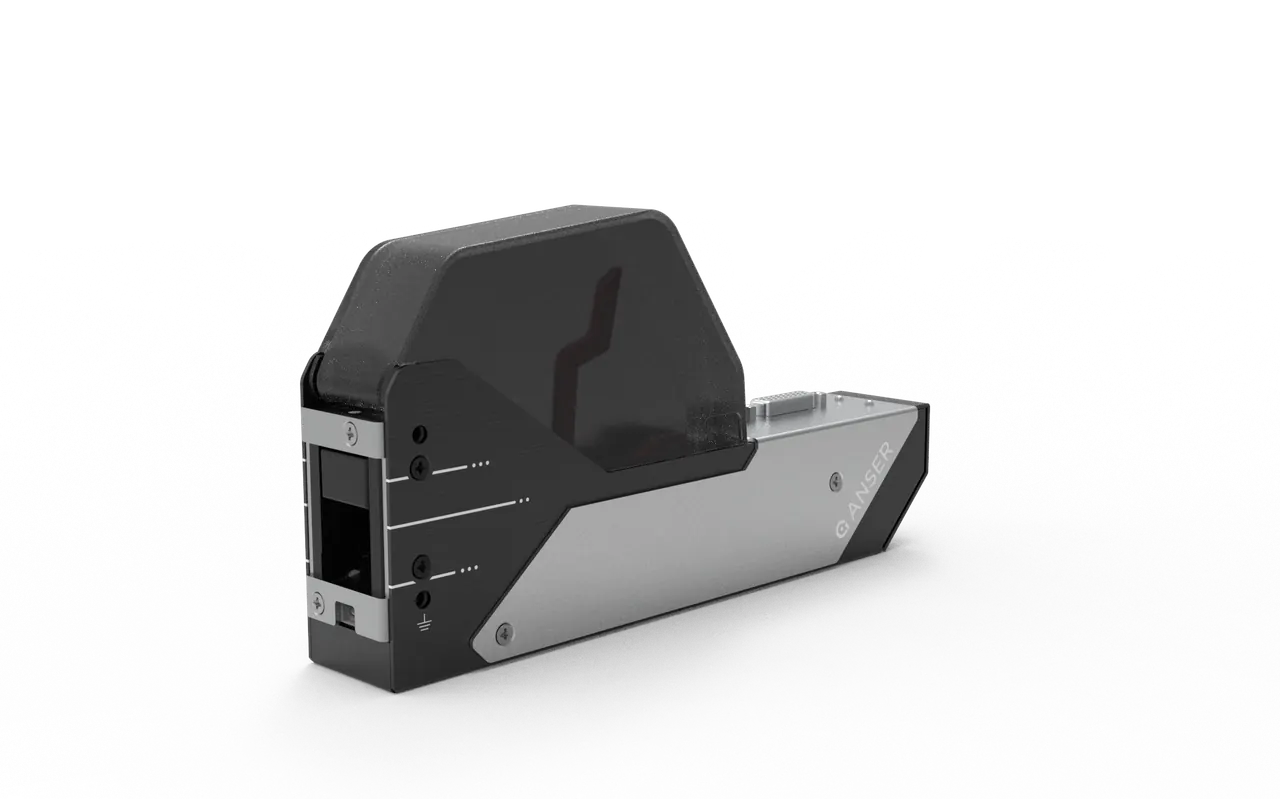
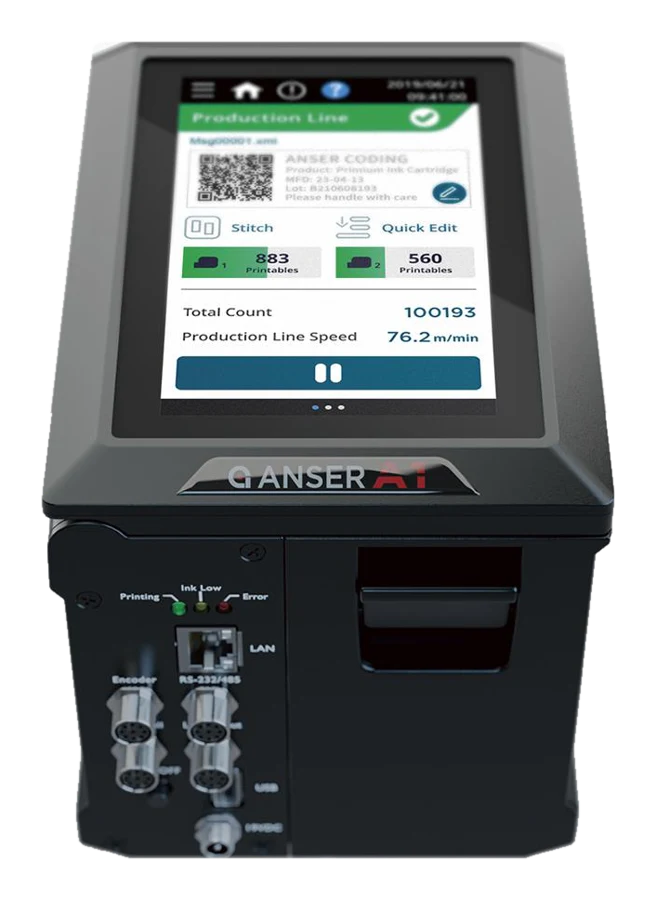
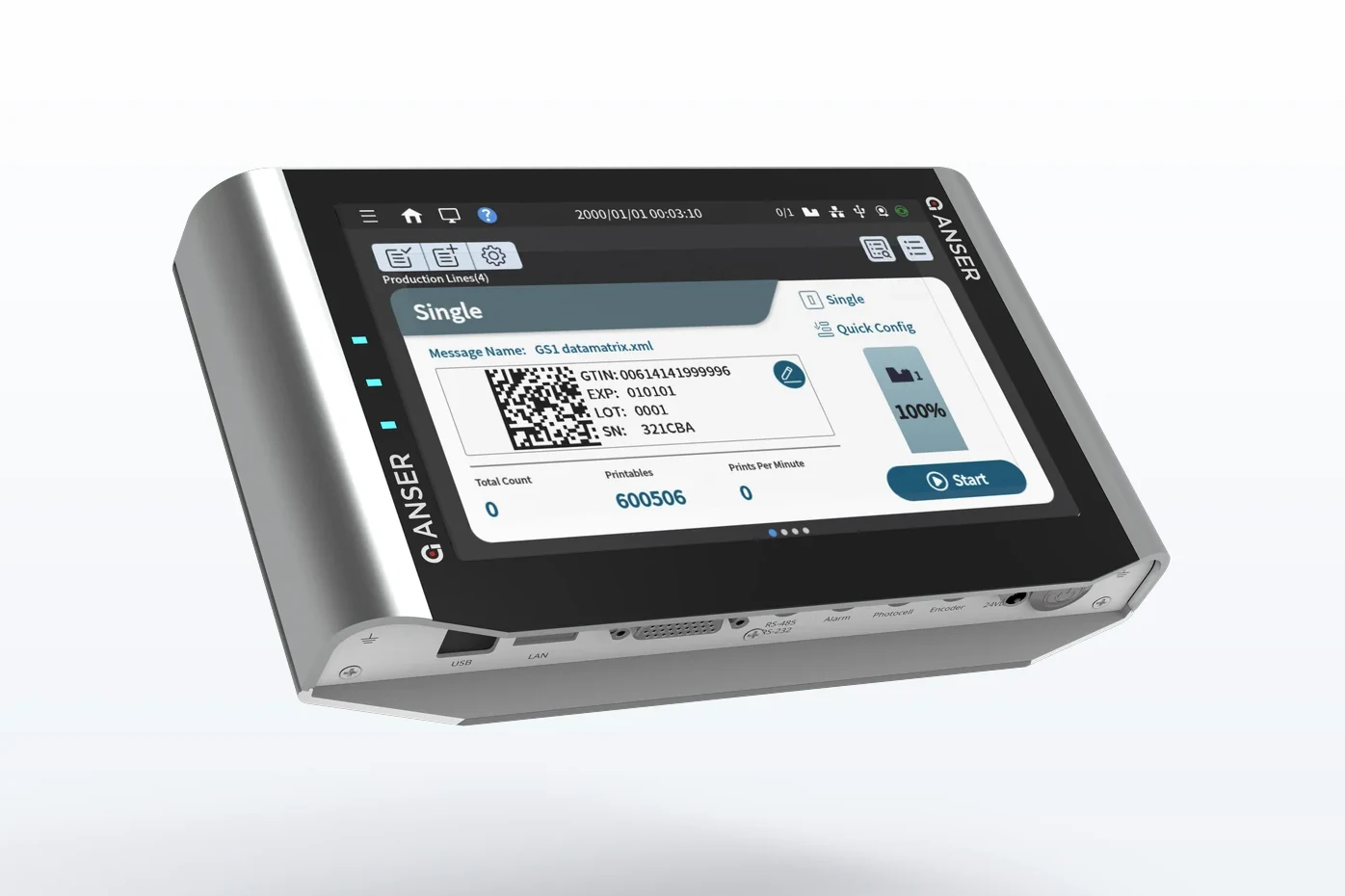
Thermal inkjet handles cold-chain date and lot coding cleanly when paired with the right solvent ink and applied at the right point on the line. Sealed cartridges keep maintenance low even in demanding refrigerated environments.
Tell us your substrate, line layout, and where the coder sits relative to the chiller, and we will help you pick an ink and a coding position that hold up.