
Why plastics are harder to code than cardboard
Porous substrates like corrugated cardboard and kraft paper absorb ink — the fluid wicks into the fibers and dries almost on contact, which is why fast, low-cost water-based inks work so well there.
Plastics do the opposite. HDPE containers, PP tubs, and PET bottles are non-porous and often have low surface energy, so the ink has nothing to soak into. A water-based drop sits on the surface, beads up, and wipes off before it sets. To code plastics reliably you need an ink that bonds to a sealed surface rather than one that relies on absorption.
Match the ink chemistry to the plastic
For non-porous plastics, solvent-based thermal inkjet inks are the default. The solvent carrier flashes off quickly and leaves a resin that grips the surface, giving fast set and smudge resistance on plastics, foils, coated stock, and metal.
Surface energy matters as much as the plastic type. Untreated polyolefins (HDPE and PP) have low surface energy that resists wetting; PET and coated films are easier. If adhesion is marginal, surface treatment (corona or flame) raises the surface energy so the ink wets out and anchors properly.
- HDPE / PP (low surface energy): solvent ink; consider corona/flame treatment if adhesion is marginal
- PET / coated films / foils: solvent ink; usually good adhesion without treatment
- Porous board or paper labels on the pack: water-based ink is fine and cheaper
A quick pre-production checklist
Before committing a line to an ink, run a short qualification on your actual substrate and line conditions — adhesion is specific to the exact plastic, any surface treatment, and your dry time.
- Test on the real container, not a generic coupon — regrind and additives change the surface
- Confirm the code survives a tape/adhesion test and a thumb-rub after full cure
- Check dry time against line speed so codes do not smear at the next contact point
- Verify legibility after any downstream heat, condensation, or handling
Where thermal inkjet fits
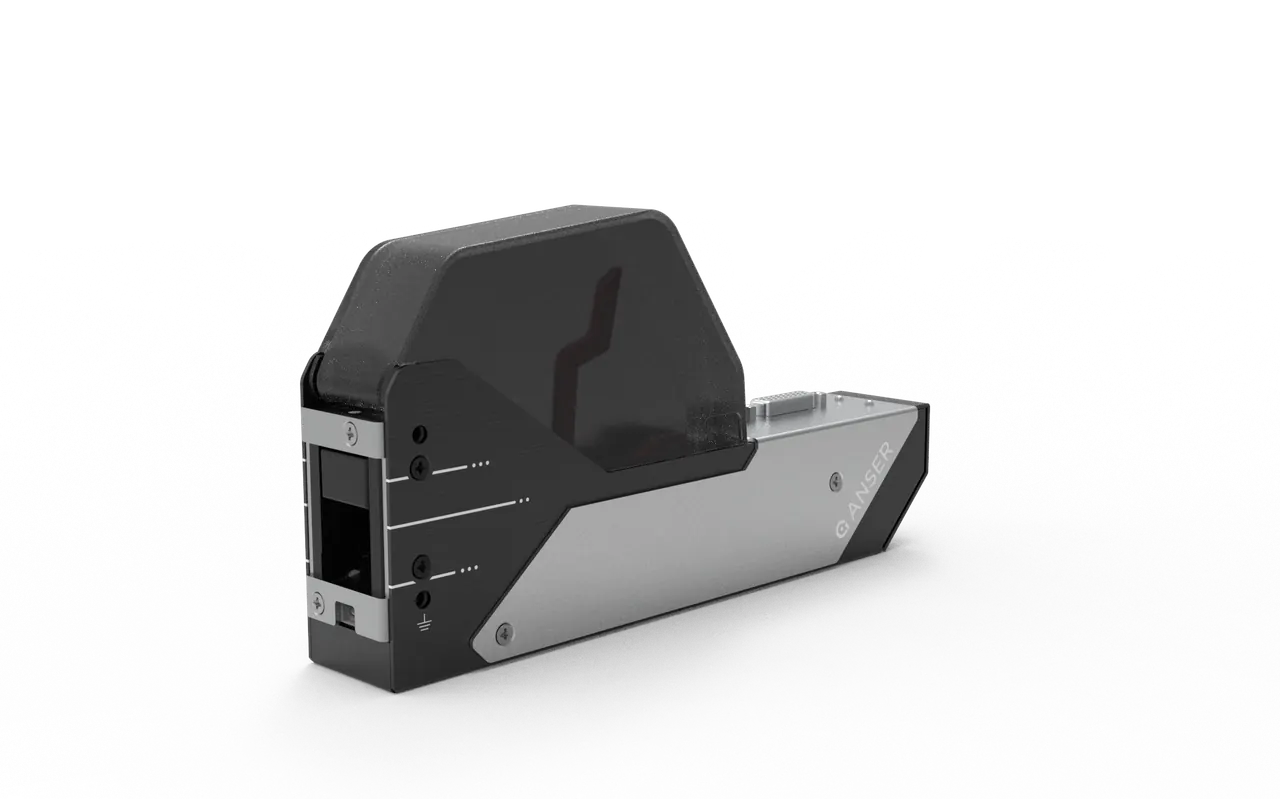
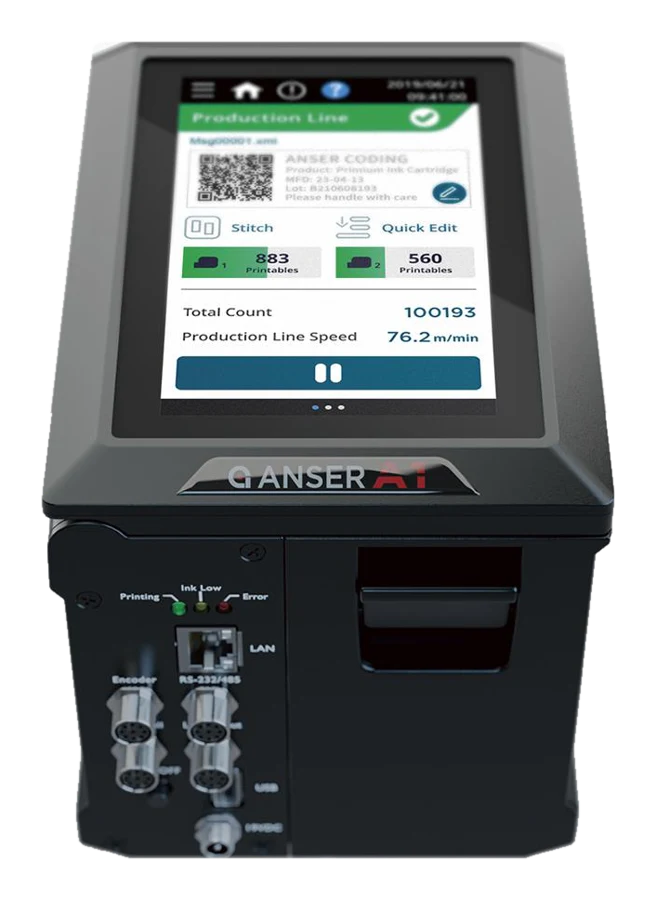
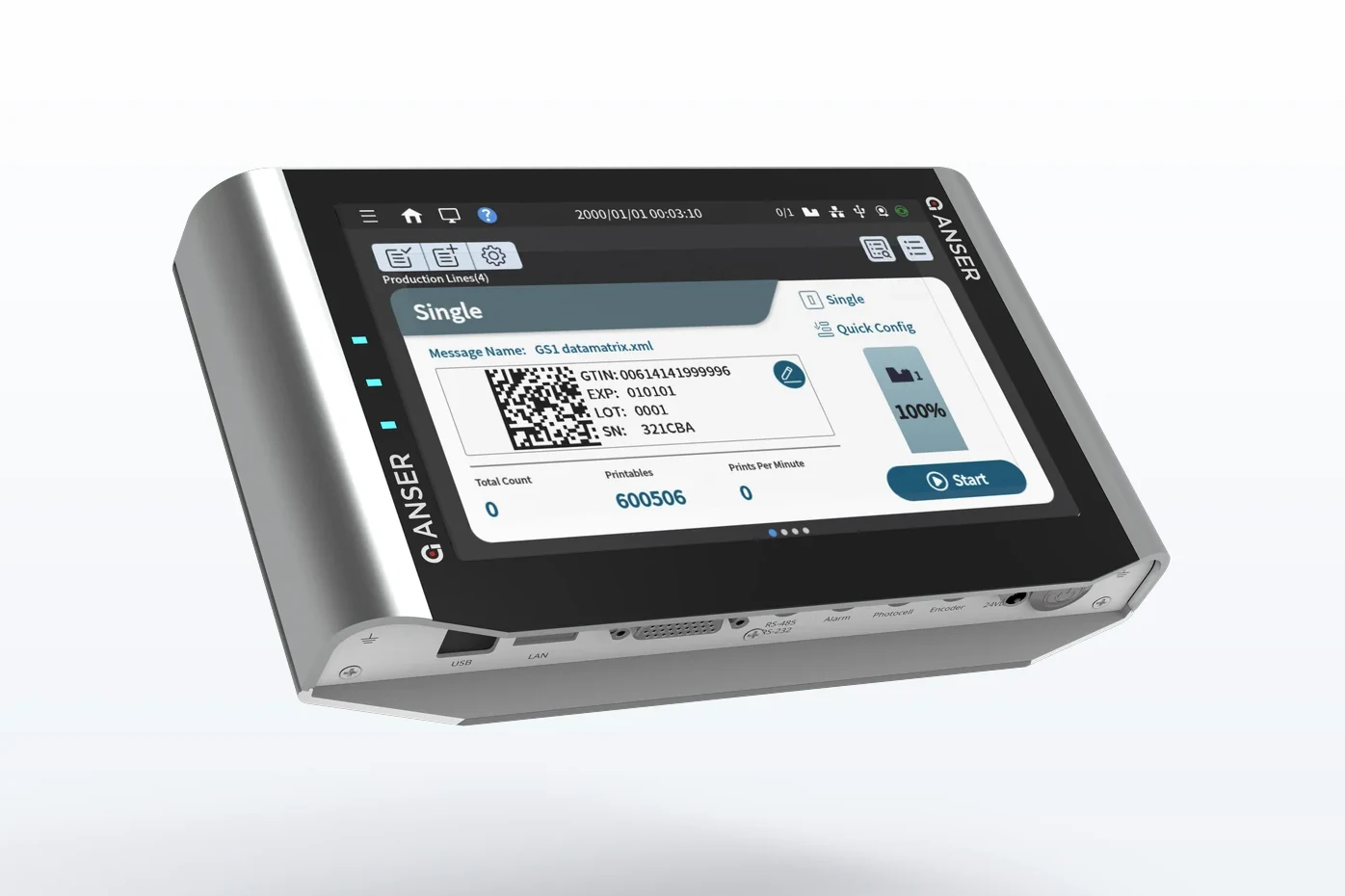
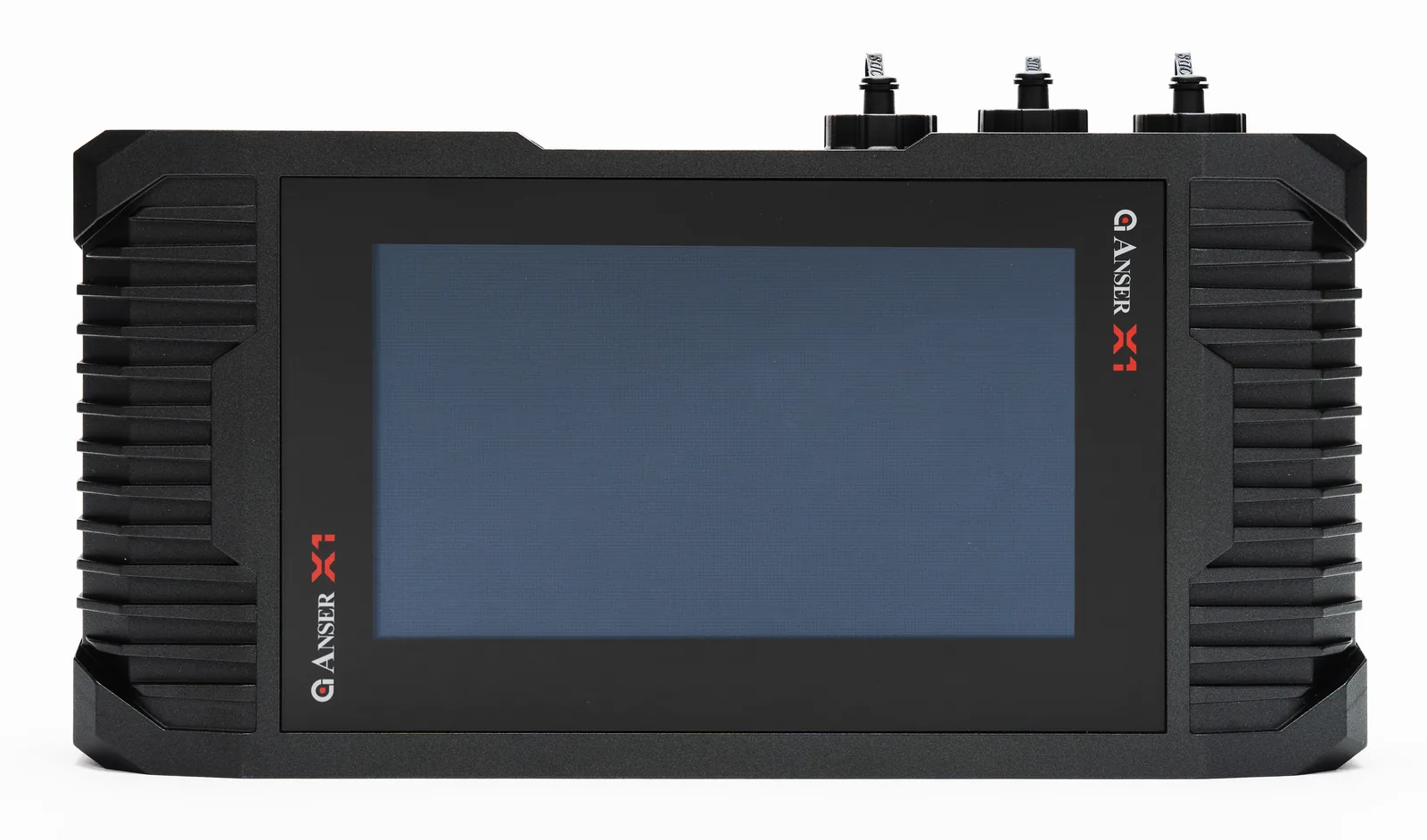
Thermal inkjet (TIJ) is a clean, low-maintenance way to code plastics: sealed cartridges mean no make-up fluid and almost no scheduled maintenance, with high-resolution dates, lot codes, and barcodes. For non-porous work, a solvent ink is the usual starting point: Odyssey Sarge on Anser NexGen printers, or an EV HP solvent ink on Matthews Evolution printers.
If you are not sure which chemistry your containers need, send us the substrate and a photo of the code area and we will help you qualify an ink.