
What "1-inch" TIJ printing means
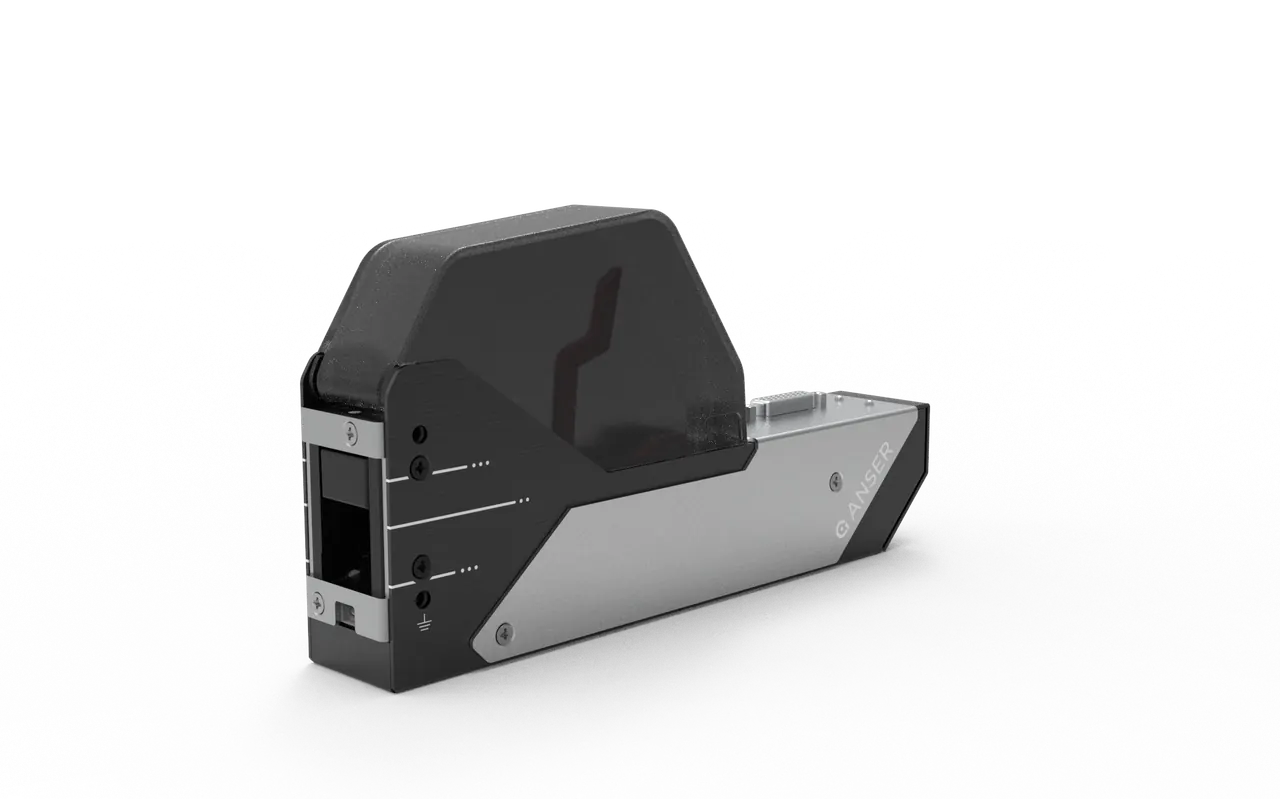
"1-inch" describes a print height, not a single product. A 1" (25.4 mm) thermal inkjet cartridge lays down a full inch of print in a single pass: a tall code with no stitching. The familiar half-inch format prints a 12.7 mm swath; a 1" cartridge doubles that height in one pass.
In the Anser line, the 1" cartridge is IUT, and the 160 mL 1" bulk cartridge is DHI. HP cartridges are half-inch. IUT also comes in half-inch, so "IUT" names a technology, not a size.
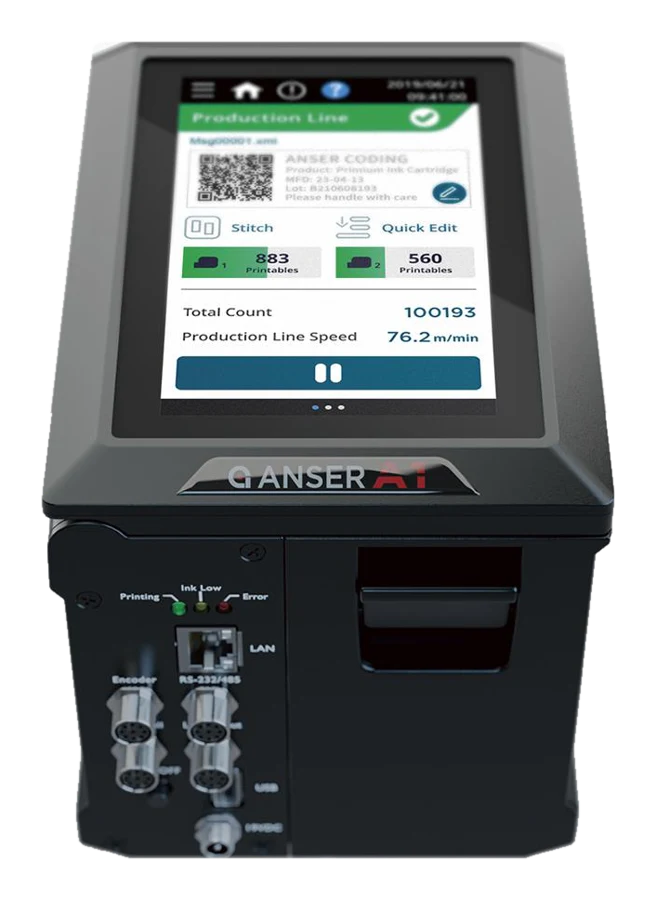
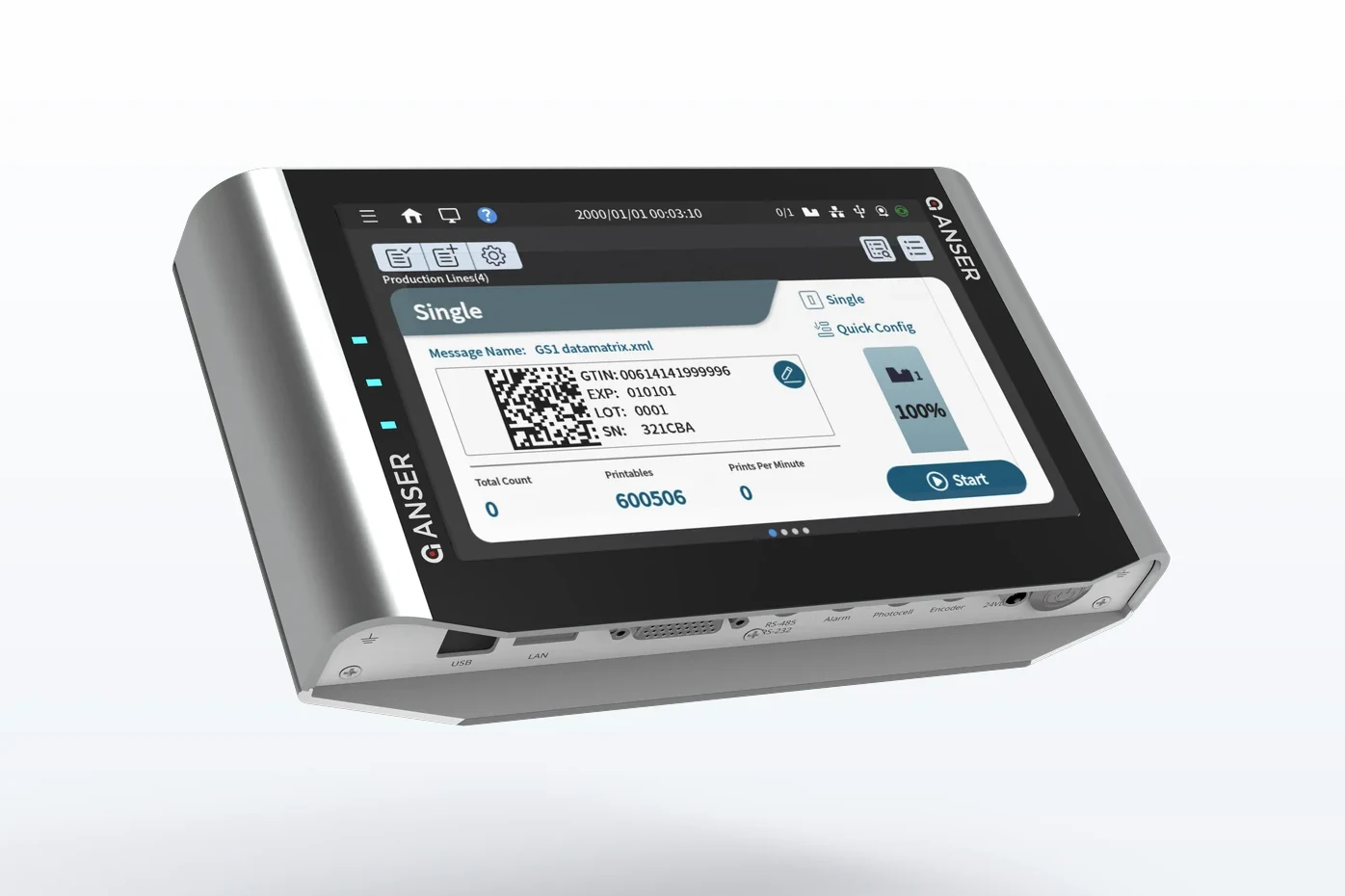
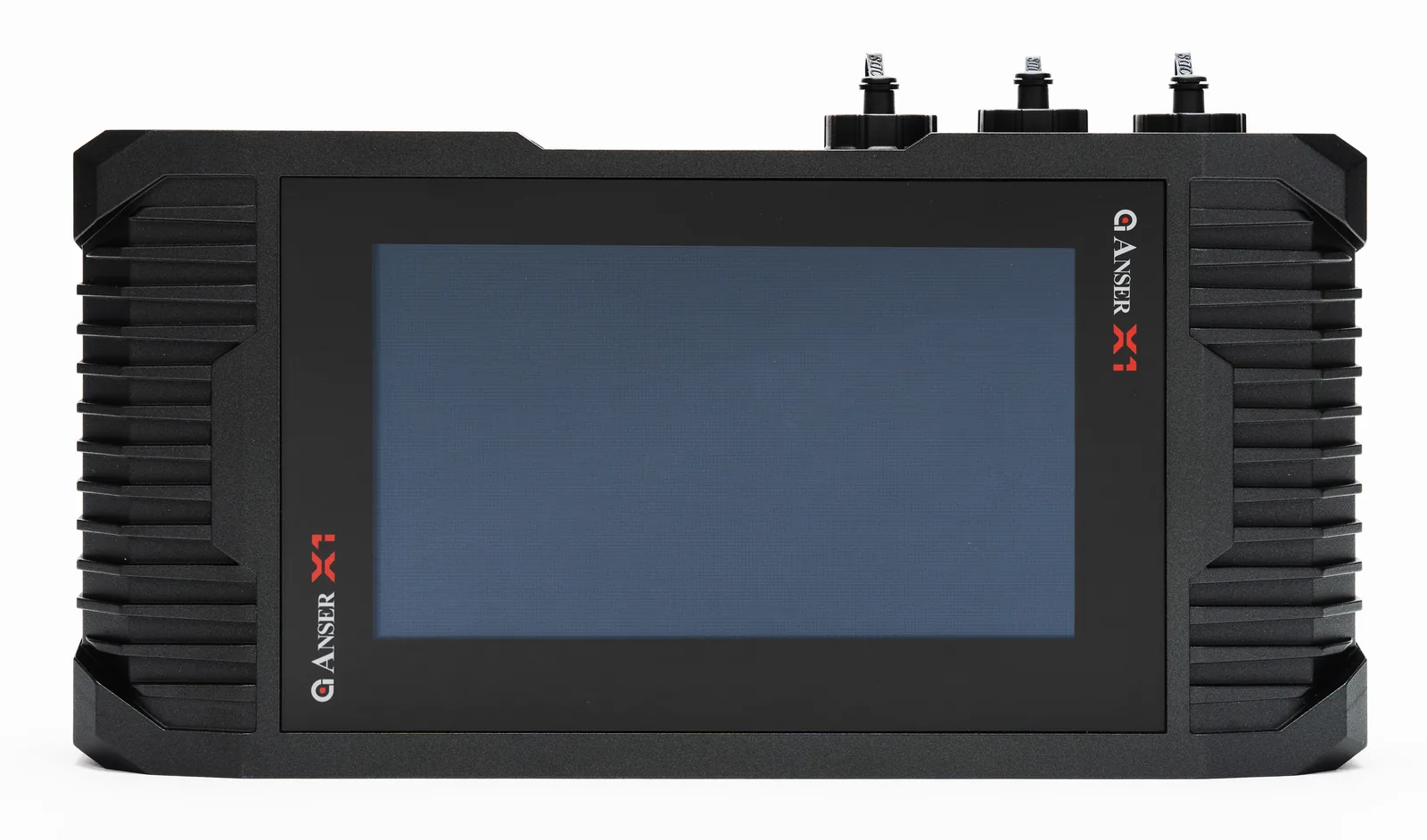
The Anser X1 controller runs half-inch heads on HP, IUT and Brady cartridges and 1" heads on IUT and DHI, or two 1" heads stitched for a 2" (50 mm) code, from the same controller.
When you actually need 1-inch print height
Taller is not automatically better — a 1" code uses more ink and is overkill for a small date stamp. Reach for 1" when the code has to be big or dense:
- Large cases, totes, and shipping cartons where the code must be readable at a distance
- Tall stacked content — big lot numbers plus a barcode or logo in one pass
- GS1 2D Data Matrix codes that benefit from more height and cell area
- Applications where a single unbroken swath is cleaner than stitching two half-inch heads
1-inch vs. half-inch vs. dual heads
A single half-inch head is the economical default for standard date and lot codes on retail packs. A 1" head (IUT, or the DHI 160 mL bulk) gives you double the height in one pass, with no stitching. For 2" (50 mm), stitch two 1" heads. The right choice balances how tall the code needs to be against ink cost and throughput.
Inks and where it fits in our lineup
Odyssey inks come in ½" and 1" cartridges in water-based and solvent chemistries, and in the 1" 160 mL high-volume cartridge in water-based ink. Odyssey solvent ink in the 160 mL cartridge is coming in 2027. If you’re deciding between a half-inch and a 1" setup, tell us your code content and substrate and we’ll size it with you.